
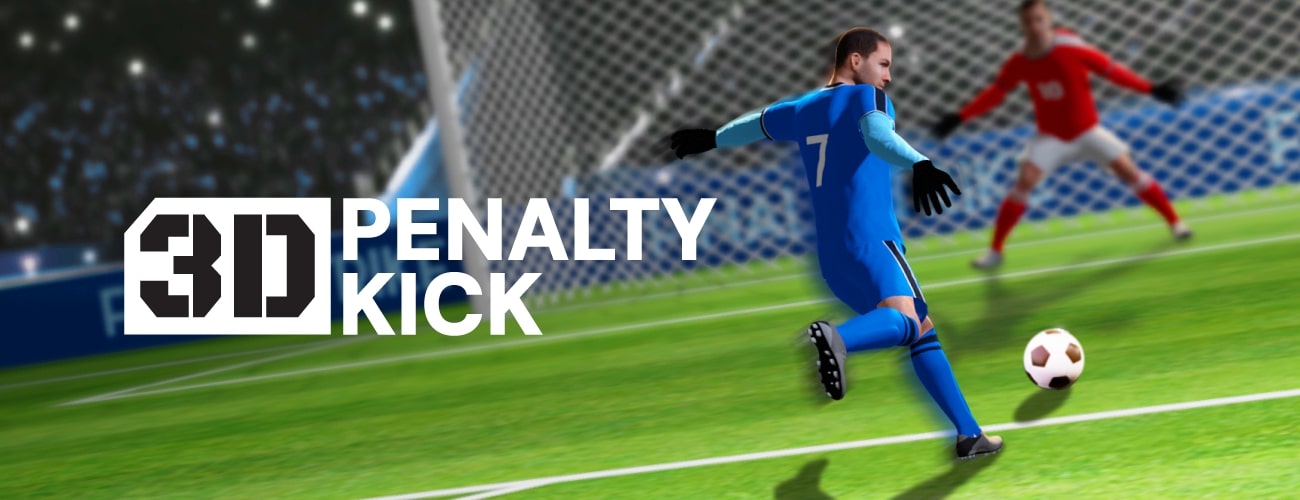
Football has always been about moments. A sudden burst of speed, a perfectly timed pass, or a free kick that bends past the wall and into the net. Translating those moments into a mobile game is not easy, yet some titles manage to capture that thrill in a surprisingly focused way. 3D Free Kick stands out as a game built around one of football’s most dramatic skills, turning a single action into an experience that rewards patience, timing, and mastery.
Rather than overwhelming players with complex systems, this game narrows its attention to technique. That choice is the foundation of its lasting appeal. Every shot feels deliberate, and every goal feels earned.
The Appeal of Skill-Based Football Games
Mobile football games often fall into two categories. Some try to simulate the entire sport, while others isolate a specific moment. The second approach can be more powerful when done well. Free kicks are high-pressure situations, and that tension translates naturally into gameplay.
By focusing on execution rather than team management, players engage directly with mechanics. There is no hiding behind tactics or AI decisions. Success depends entirely on the player’s control and understanding of the system.
Why Free Kicks Are So Compelling
A free kick is football distilled to its essence. One player, one ball, and a goal to beat. In real matches, these moments can change outcomes in seconds. That same emotional weight carries into digital form, where each attempt feels like a test of nerve and precision.
This focus creates an experience that is easy to learn but difficult to master, a balance that keeps players coming back.
Game Design Built Around Focus
At its core, the game strips away distractions. Menus are clean, controls are intuitive, and the visual presentation serves gameplay rather than overshadowing it. This clarity allows players to concentrate on timing, angle, and power.
The learning curve is gentle. Early stages introduce mechanics gradually, building confidence without removing challenge. As difficulty increases, subtle adjustments make a noticeable difference, pushing players to refine their technique.
Simplicity Without Being Shallow
Minimalism does not mean lack of depth. The true complexity lies in mastering consistency. Slight variations in swipe direction or release timing can change outcomes dramatically.
This design encourages experimentation. Players learn through repetition, gradually developing muscle memory that leads to more satisfying results.
3D Free Kick as a Digital Training Ground
Physics, Motion, and Visual Feedback
One of the defining features of 3D Free Kick is how it represents ball movement. Shots curve, dip, and react in ways that feel responsive rather than scripted. Visual cues help players understand why a shot succeeded or failed.
The goalkeeper animations add another layer of tension. Anticipation builds as the ball travels, making each attempt feel alive rather than predetermined.
Reading the Game Through Motion
Successful play depends on reading visual feedback. The arc of the ball, the keeper’s position, and the defensive wall all communicate information. Players who pay attention improve faster, while those who rush often struggle.
This feedback loop creates a sense of fairness. When a goal is missed, the reason is usually clear, encouraging improvement rather than frustration.
Progression and Motivation
Progression systems play a crucial role in maintaining engagement. Unlockable levels, increasing difficulty, and score-based challenges give players goals beyond simple repetition.
The satisfaction comes not from external rewards, but from visible improvement. Landing a shot that once felt impossible reinforces the sense of growth.
Competition Without Pressure
Leaderboards and score challenges add competitive elements without forcing constant comparison. Players can choose their own pace, focusing on personal bests or casual play.
This flexibility makes the experience accessible to both competitive players and those seeking relaxed enjoyment.
Sound Design and Immersion
Sound is often overlooked in mobile games, yet it significantly shapes immersion. Clean audio cues reinforce successful actions, while subtle background sounds maintain atmosphere without distraction.
Crowd reactions, ball contact, and net movement combine to create a sense of presence. These details make each goal feel meaningful.
Emotional Impact Through Audio
A well-timed sound effect can heighten tension or satisfaction. In critical moments, silence before impact builds anticipation, followed by a rewarding confirmation of success or failure.
This emotional rhythm mirrors real football moments, strengthening engagement.
Accessibility Across Skill Levels
One reason 3D Free Kick appeals to a broad audience is its accessibility. New players can enjoy early success, while experienced players find depth in higher challenges.
Controls remain consistent throughout, ensuring that improvement comes from understanding rather than memorizing new systems.
Learning Through Repetition
Repetition is not monotonous when each attempt offers new insight. Small adjustments lead to different outcomes, encouraging players to stay curious.
This approach respects the player’s time, rewarding focus rather than grinding.
Visual Style and Presentation
The visual style is clean and purposeful. Stadiums, players, and environments are designed to support clarity. There is enough detail to feel immersive, but nothing that distracts from the ball’s movement.
Lighting and camera angles enhance readability, ensuring that players always understand the situation before them.
Clarity Over Spectacle
By prioritizing clarity, the game avoids common pitfalls of visual overload. Every element serves a function, reinforcing the core mechanic rather than competing with it.
This restraint contributes to long-term enjoyment.
The Psychology of Mastery
Mastery is a powerful motivator. Each successful shot reinforces confidence, while each miss provides information. Over time, players develop an intuitive sense of timing and control.
This psychological loop is central to the game’s appeal. Improvement feels personal, tied directly to effort and attention.
Confidence Through Consistency
Consistency builds confidence. As players learn to reproduce successful shots, they experience a sense of control that extends beyond the screen.
That feeling of command is deeply satisfying, encouraging longer play sessions without fatigue.
Replay Value and Longevity
Replay value depends on whether a game continues to challenge without becoming frustrating. 3D Free Kick achieves this by scaling difficulty thoughtfully.
New challenges feel earned rather than imposed, maintaining motivation over time.
Short Sessions, Lasting Engagement
The game fits naturally into short sessions, yet remains engaging over the long term. This balance suits modern play habits while preserving depth.
Players can enjoy quick attempts or settle into focused practice, depending on mood.
Cultural Appeal of Football Mechanics
Football is a universal language, and free kicks are among its most iconic moments. Translating that universality into gameplay creates immediate familiarity.
Even players with limited football knowledge can appreciate the challenge, while fans recognize authentic elements that enhance enjoyment.
Bridging Casual and Dedicated Players
By focusing on a single mechanic, the game bridges the gap between casual and dedicated audiences. Everyone understands the goal, yet mastery remains elusive.
This inclusive design broadens appeal without sacrificing depth.
The Enduring Charm of Focused Design
Games that try to do everything often struggle to do anything exceptionally well. Focused design allows for refinement and polish.
By centering gameplay on one moment, 3D Free Kick delivers a cohesive experience that feels intentional and satisfying.
Conclusion
The strength of 3D Free Kick lies in its clarity of purpose. It captures the tension and beauty of a single football moment and builds an entire experience around it. Through responsive mechanics, thoughtful progression, and restrained presentation, it transforms repetition into mastery. In doing so, it proves that sometimes the most memorable digital experiences come from doing one thing exceptionally well.