
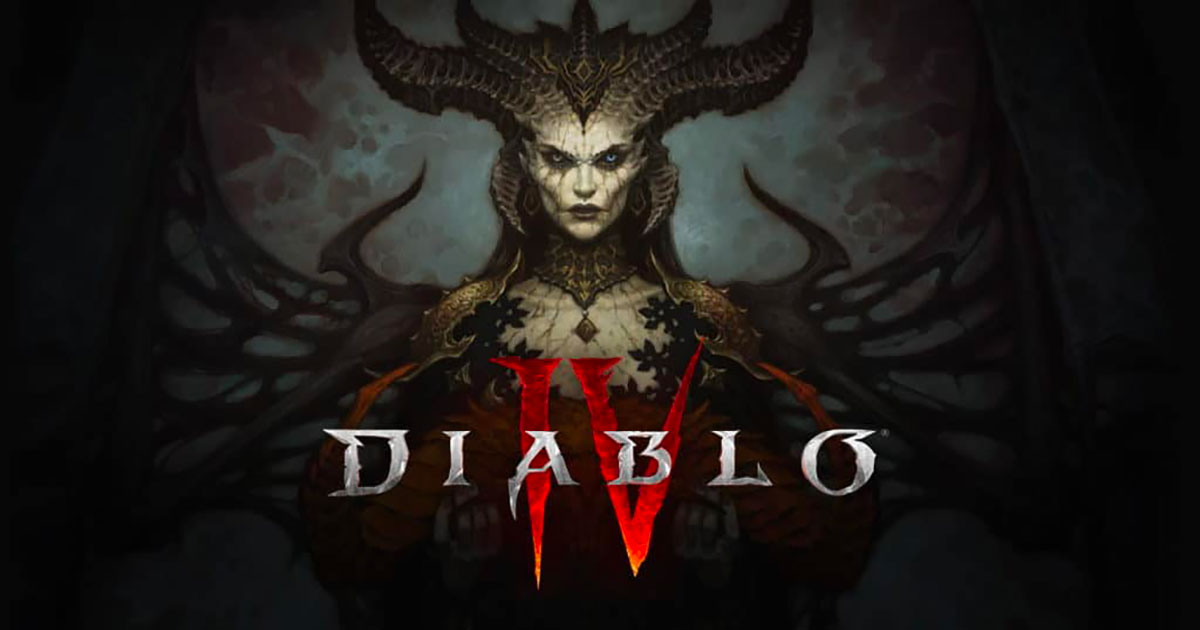
Few game series have shaped the action role-playing genre as deeply as Diablo IV. From its earliest reveal, it promised a return to the bleak atmosphere, moral ambiguity, and brutal combat that defined the franchise’s legacy. Rather than chasing trends, it looks backward and forward at the same time, blending modern systems with classic design philosophy.
This installment is not simply another sequel. It represents a deliberate rethinking of what makes a dark fantasy world feel dangerous, personal, and immersive. Through careful world-building, refined combat, and a focus on player choice, it offers an experience that feels weighty and deliberate without sacrificing accessibility.
The World of Diablo IV
The setting of Diablo IV is the broken world of Sanctuary, a land scarred by endless conflict between angels, demons, and humanity caught in between. This version of Sanctuary feels more grounded and cruel than before. Villages are not just backdrops for quests, but places where desperation, fear, and survival shape everyday life.
The open world structure allows players to travel seamlessly between regions, each with its own identity. Snow-covered peaks, decaying swamps, and barren deserts all tell stories without words. Environmental storytelling plays a major role, using ruined buildings, blood-stained roads, and abandoned camps to suggest what has already been lost.
This world does not exist to comfort the player. It exists to challenge them emotionally as much as mechanically, reinforcing the sense that survival is never guaranteed.
Gameplay Systems and Core Mechanics
Combat remains fast, visceral, and deliberate. Every encounter demands attention, whether fighting a lone monster or facing a screen-filling demon. Diablo IV emphasizes positioning, timing, and skill synergy more than raw button mashing, rewarding players who learn enemy behavior.
The class system offers distinct identities rather than overlapping roles. Each class feels mechanically unique, with abilities that reflect their lore and personality. This approach encourages experimentation while maintaining clear strengths and weaknesses.
Progression has been redesigned to feel meaningful at every stage. Skill trees provide flexibility without overwhelming complexity, allowing players to customize builds while still understanding their choices. Equipment enhances playstyle rather than replacing it, ensuring that player decisions remain central.
The Balance Between Accessibility and Depth
One of the most impressive aspects of the gameplay design is how it welcomes new players without alienating veterans. Tutorials are subtle, integrated into play rather than forced through menus. At the same time, advanced mechanics reveal themselves naturally as difficulty increases.
This balance allows the experience to grow with the player. Early hours focus on survival and exploration, while later stages demand strategic thinking and optimization. The result is a sense of constant evolution without abrupt learning curves.
Storytelling and Atmosphere
The narrative tone is bleak, personal, and unsettling. Rather than relying on grand heroism, the story explores themes of faith, corruption, and moral compromise. Diablo IV places players in a world where every choice has consequences, even when the alternatives are equally grim.
Central characters are written with nuance, avoiding clear definitions of good and evil. Antagonists are not simply monsters to defeat, but symbols of deeper philosophical conflict. This approach elevates the story beyond a simple battle between light and darkness.
Cinematic presentation supports this tone through restrained dialogue and powerful visual storytelling. Cutscenes are used sparingly, making their impact stronger when they appear.
A Return to Horror Roots
Horror elements are deeply woven into the experience. Darkness is not just visual, but emotional. The game uses sound design, lighting, and pacing to create tension, often making players feel vulnerable even when they are powerful.
This return to horror roots reinforces the series’ identity. Fear is not generated through jump scares, but through atmosphere and anticipation. The world constantly reminds players that they are intruders in a place shaped by suffering.
Progression, Endgame, and Longevity
Long-term engagement has been a major design focus. Diablo IV offers an endgame built around choice rather than repetition. Players can pursue different activities based on preference, whether focusing on challenging dungeons, world events, or character refinement.
Difficulty scaling ensures that content remains relevant without feeling unfair. Enemies grow stronger in response to player power, encouraging continuous improvement rather than static grinding. This system keeps progression engaging without invalidating earlier accomplishments.
Seasonal content adds another layer of longevity. Instead of simply increasing numbers, seasons introduce new mechanics that alter how the game is played. This keeps the experience fresh while respecting the core design.
Social Elements and Shared Worlds
The shared world structure allows players to encounter others naturally without forcing constant interaction. Towns feel alive, with other adventurers passing through, while dangerous areas remain tense and unpredictable.
Optional cooperation enhances difficult encounters without making solo play obsolete. This flexibility supports different playstyles and reinforces the idea that Sanctuary is a living world rather than a private instance.
Visual Design and Audio Direction
The visual identity leans heavily into realism and texture. Armor looks worn, weapons appear heavy, and environments feel lived in. Diablo IV avoids exaggerated colors in favor of muted tones that reinforce its somber mood.
Lighting plays a critical role, often obscuring threats until it is too late. Shadows are used not only for aesthetics but also to shape gameplay, hiding enemies and creating uncertainty.
Audio design complements this approach. Music is restrained, allowing ambient sounds to dominate. The crunch of footsteps, distant screams, and subtle environmental noises contribute to immersion without overwhelming the player.
Conclusion
At its core, Diablo IV succeeds because it understands its identity. It does not attempt to reinvent the genre, nor does it rely solely on nostalgia. Instead, it refines what made the series memorable while embracing modern design sensibilities.
Through a carefully crafted world, meaningful progression, and a commitment to atmosphere, it delivers an experience that feels both familiar and fresh. It respects player intelligence, rewards curiosity, and embraces darkness without excess.
This is a game that invites long-term investment, not through obligation, but through intrigue. In doing so, it stands as a powerful example of how legacy franchises can evolve without losing their soul.