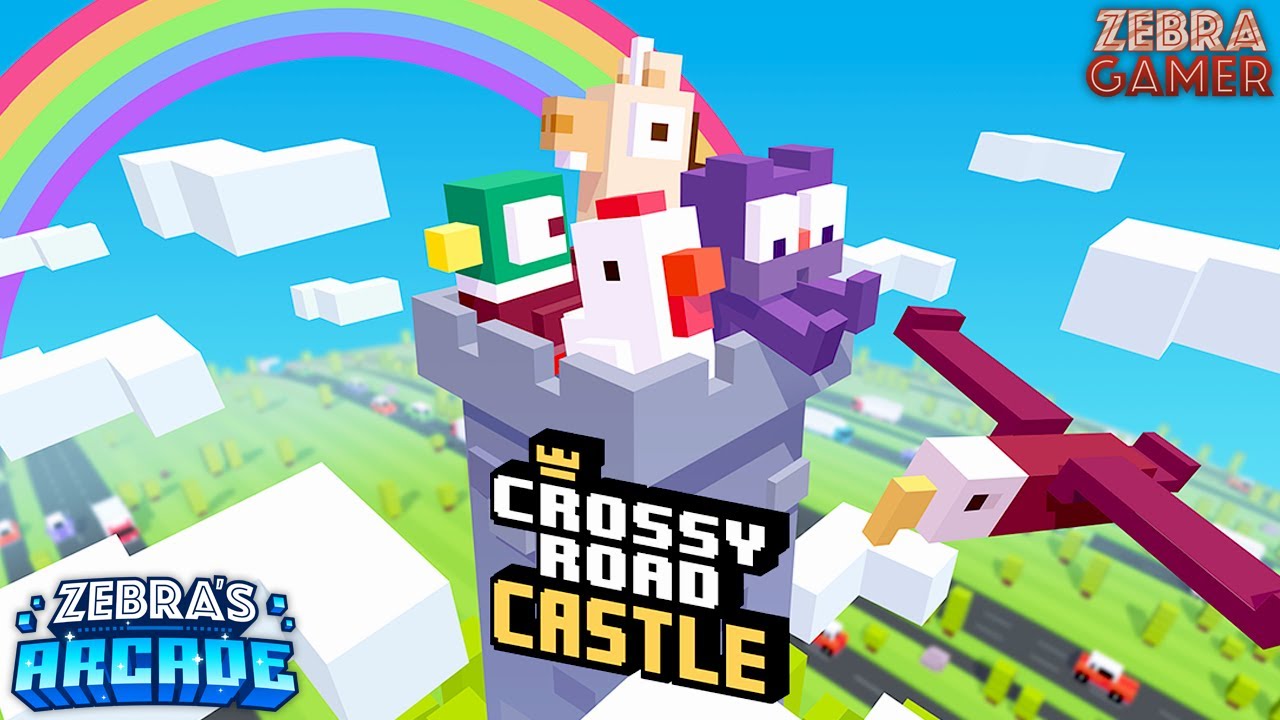
At first glance, this game feels like a joyful explosion of color, movement, and playful confusion. Beneath that surface, however, lies a carefully designed experience that rewards cooperation, patience, and curiosity. Crossy Road Castle is not simply an extension of an existing franchise; it is a thoughtful evolution that transforms short, frantic sessions into a layered cooperative journey. Its bright visuals hide surprisingly clever systems, and its simple controls mask a structure that keeps players returning again and again.
This article explores the game’s design philosophy, mechanics, cooperative depth, and lasting appeal, revealing why it stands out in a crowded world of action-platformers.
From Arcade Roots to Cooperative Chaos
The game’s origins are rooted in quick, arcade-style challenges. Early experiences focused on dodging hazards, reacting instantly, and accepting failure as part of the fun. That spirit remains intact, but it has been expanded into something broader and more communal.
Instead of isolated runs, players now move through interconnected levels stacked vertically like a tower. Each floor presents a new challenge, demanding awareness and coordination. The shift from solo play to shared progression changes the emotional rhythm. Success feels collective, and mistakes often lead to laughter rather than frustration.
A World Designed for Movement
Movement is the heart of the experience. Characters hop, dash, and slide through environments filled with traps, enemies, and unpredictable elements. The controls remain intentionally simple, allowing anyone to pick up a controller and play within seconds.
What makes the movement engaging is not complexity, but responsiveness. Every jump feels deliberate. Every mistake feels earned. This balance ensures that difficulty comes from level design rather than mechanical overload.
Visual Simplicity with Personality
The blocky aesthetic is instantly recognizable. Bright colors, exaggerated animations, and playful character designs give each level a distinct identity. The visual language is clean, making it easy to read hazards even when the screen becomes crowded with action.
This clarity is essential in cooperative play. When multiple players share the screen, visual noise can quickly become overwhelming. The game avoids this by keeping shapes bold and animations readable, ensuring that chaos never turns into confusion.
Crossy Road Castle and the Art of Cooperative Play
One of the most defining features is its approach to multiplayer. Cooperation is not optional or secondary; it is woven into the core structure. Players can support each other, accidentally sabotage one another, or make heroic saves at the last second.
This design creates memorable moments that feel unscripted. A well-timed jump can rescue a teammate from falling. A poorly timed move can knock everyone into danger. These interactions give the game a social energy that extends beyond the screen.
Shared Progress, Shared Responsibility
Unlike many cooperative games where one skilled player can carry the group, this experience encourages shared responsibility. Progress depends on collective awareness. When one player rushes ahead, the entire group feels the consequences.
This dynamic fosters communication, even without voice chat. Players learn to read each other’s movements, anticipating actions and adjusting strategies on the fly.
Local and Couch-Friendly Fun
The game shines brightest in local multiplayer settings. Sitting together on a couch, reacting in real time, and laughing at shared failures creates a sense of connection that online play rarely matches.
The design supports drop-in play, allowing new participants to join without disrupting flow. This accessibility makes it ideal for gatherings, family sessions, or casual gaming nights.
Level Design That Encourages Exploration
Each tower is more than a sequence of obstacles. Levels are layered with hidden paths, optional challenges, and subtle variations that reward exploration. Players who rush may miss secrets, while those who take their time often discover alternative routes.
This approach adds replay value. Even familiar stages can feel fresh when approached with a different strategy or group dynamic.
Procedural Elements with Purpose
While the overall structure remains consistent, procedural elements introduce variation. Enemy placements, hazards, and item locations can shift, preventing memorization from trivializing the challenge.
Importantly, randomness is used carefully. It enhances unpredictability without undermining fairness. Players still feel in control, even when surprised.
Difficulty That Scales Naturally
Rather than relying on sudden spikes, difficulty increases gradually. Early stages teach mechanics gently, while later floors combine elements in more demanding ways. This progression feels organic, respecting both newcomers and experienced players.
Failure is frequent, but rarely discouraging. Quick restarts and short feedback loops encourage experimentation rather than caution.
Characters, Customization, and Expression
Character variety adds personality to each session. While differences are mostly cosmetic, they allow players to express individuality within the shared chaos. Choosing a favorite avatar becomes part of the ritual before each run.
Customization options unlock over time, rewarding continued play without pressuring players through aggressive progression systems.
Humor Embedded in Design
Humor is subtle but constant. From exaggerated death animations to unexpected environmental interactions, the game never takes itself too seriously. This lighthearted tone softens frustration and keeps the mood playful, even during repeated failures.
The humor emerges naturally from gameplay rather than forced jokes, making it feel authentic and spontaneous.
Sound Design and Atmosphere
Audio plays a crucial role in shaping the experience. Sound effects are crisp and informative, signaling hazards, successful actions, and impending danger. Music is upbeat without becoming distracting, maintaining energy across long sessions.
The audio-visual harmony reinforces immersion. Players become attuned to cues that guide split-second decisions, enhancing both performance and enjoyment.
Feedback That Feels Immediate
Every action is acknowledged through sound and animation. This feedback loop strengthens player confidence, making controls feel intuitive. Even mistakes are clearly communicated, helping players learn without explicit tutorials.
Accessibility and Broad Appeal
Accessibility is a quiet strength. Simple controls, clear visuals, and forgiving mechanics make the game approachable for players of all ages. At the same time, layered challenges ensure that experienced gamers remain engaged.
This balance broadens its appeal. It works equally well as a casual party game and a focused cooperative challenge.
Designed for Short and Long Sessions
Sessions can last minutes or hours. Players may jump in for a quick tower climb or settle in for extended runs. The structure accommodates both, respecting varied play styles and schedules.
Lasting Replay Value
Replay value comes from interaction rather than accumulation. The joy lies in shared experiences, unpredictable outcomes, and evolving group dynamics. Each session feels slightly different, shaped by who is playing and how they approach challenges.
This emphasis on experience over progression gives the game longevity without relying on constant updates or artificial incentives.
Why It Resonates
At its core, the game understands that fun emerges from interaction. Mechanics support connection rather than competition. Success feels sweeter when shared, and failure becomes a story rather than a setback.
The design encourages players to laugh at mistakes, celebrate small victories, and enjoy the journey rather than obsess over perfection.
Conclusion
In a landscape crowded with fast-paced action games, Crossy Road Castle distinguishes itself through thoughtful cooperative design, expressive simplicity, and genuine charm. It respects players’ time, rewards teamwork, and transforms chaos into connection. Whether played casually with friends or revisited repeatedly for mastery, it offers an experience that feels welcoming, memorable, and endlessly replayable.
The true strength of the game lies not in its mechanics alone, but in the moments it creates. Those moments, filled with laughter and shared triumphs, are what keep players coming back long after the screen fades to black.