
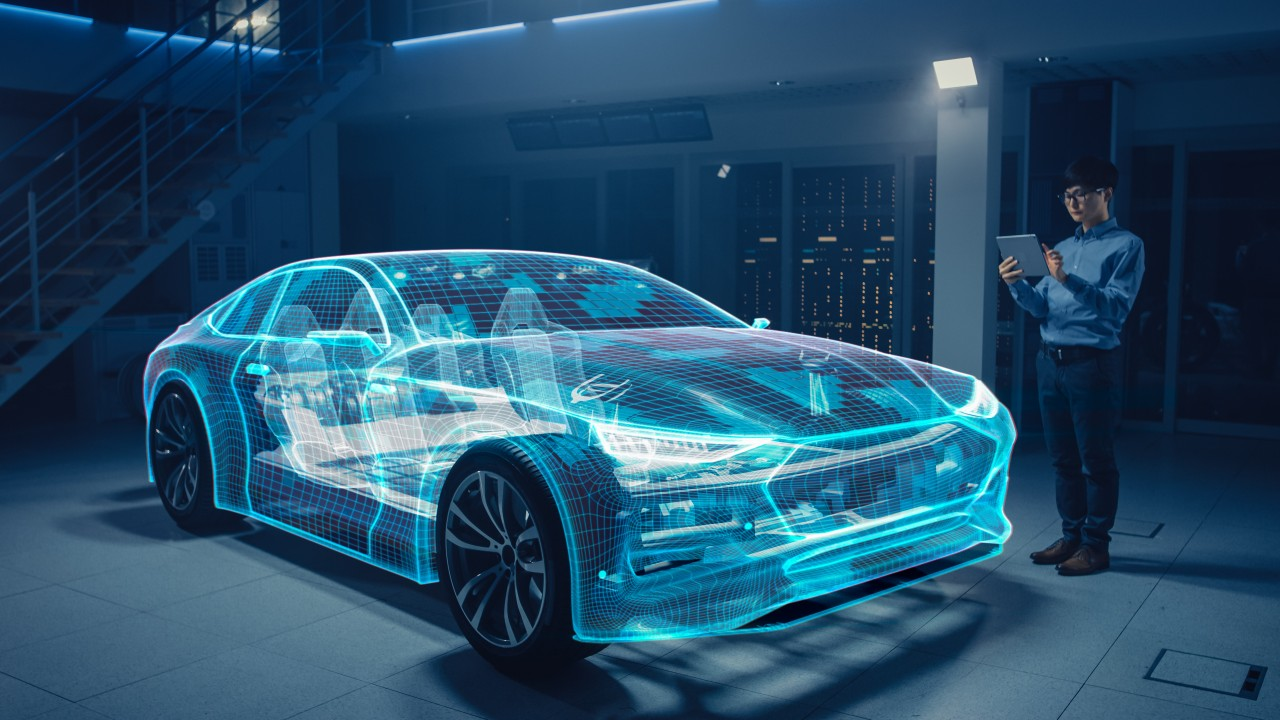
The automotive industry continues to evolve as new technologies reshape how vehicles are designed, manufactured, maintained, and driven. From advanced safety systems to electric powertrains, modern automotive innovations are improving efficiency, convenience, and driving experiences. Understanding these developments helps vehicle owners make informed decisions when purchasing a car or maintaining their existing vehicle.
The Evolution of the Automotive Industry
Automotive technology has advanced significantly over the past several decades. Traditional vehicles relied primarily on mechanical components, while modern models incorporate sophisticated electronics, computerized engine management, and integrated safety features.
Today’s vehicles use sensors and onboard computers to monitor performance, detect potential faults, and improve fuel efficiency. These systems allow drivers to receive important information through dashboard displays and warning indicators, making vehicle operation more convenient and predictable.
As manufacturers continue investing in research and development, automotive engineering is becoming increasingly focused on performance, sustainability, and driver assistance.
Understanding Modern Vehicle Safety Features
Safety remains one of the most important priorities in automotive design. Modern vehicles often include anti-lock braking systems, electronic stability control, airbags, and tire pressure monitoring systems. These features help drivers maintain control and identify potential hazards.
Advanced driver assistance systems have introduced additional capabilities, including automatic emergency braking, lane departure warnings, parking assistance, and adaptive cruise control. Depending on the vehicle, these technologies can help reduce certain driving risks and make everyday journeys less stressful.
However, technology cannot replace responsible driving. Drivers should understand how their vehicle’s safety features operate and remain attentive to road conditions, traffic signals, and other road users.
The Growing Interest in Electric Vehicles
Electric vehicles are becoming an increasingly important part of the automotive market. Unlike conventional vehicles that rely on gasoline or diesel, fully electric models use battery-powered motors for propulsion.
Electric vehicles can offer lower routine maintenance requirements because they have fewer moving parts in their powertrains and do not require traditional engine oil changes. Nevertheless, battery health, tires, brakes, cooling systems, and electrical components still require appropriate care.
Charging availability, driving range, purchase price, and local electricity costs are important considerations when evaluating whether an electric vehicle suits a particular lifestyle.
Maintaining Modern Automotive Systems
Although technology has improved vehicle performance, regular maintenance remains essential. Engine oil changes, tire inspections, brake servicing, fluid checks, and scheduled diagnostics help preserve reliability.
Modern vehicles may require specialized diagnostic tools to identify problems within electronic control units and interconnected systems. Qualified technicians can interpret diagnostic codes, investigate underlying faults, and recommend appropriate repairs.
Vehicle owners should consult their manufacturer’s maintenance guidelines rather than relying exclusively on dashboard warnings. Preventive inspections can identify developing issues before they affect safety or lead to more expensive repairs.
Conclusion
Automotive innovation continues to influence vehicle safety, efficiency, and performance. From intelligent driver assistance systems to electric mobility, technological progress is creating new opportunities for drivers and automotive professionals alike. By understanding modern vehicle features and maintaining their vehicles responsibly, owners can enjoy improved reliability and make better long-term decisions. Combining innovative technology with regular servicing remains one of the most effective ways to keep vehicles operating safely and efficiently.