Bayonetta 3 takes PlatinumGames’ stylish action formula in a surprisingly ambitious direction. Released for the Nintendo Switch in 2022, the third mainline entry expands the series with new weapons, playable characters, enormous Infernal Demons, and a multiverse-driven story.
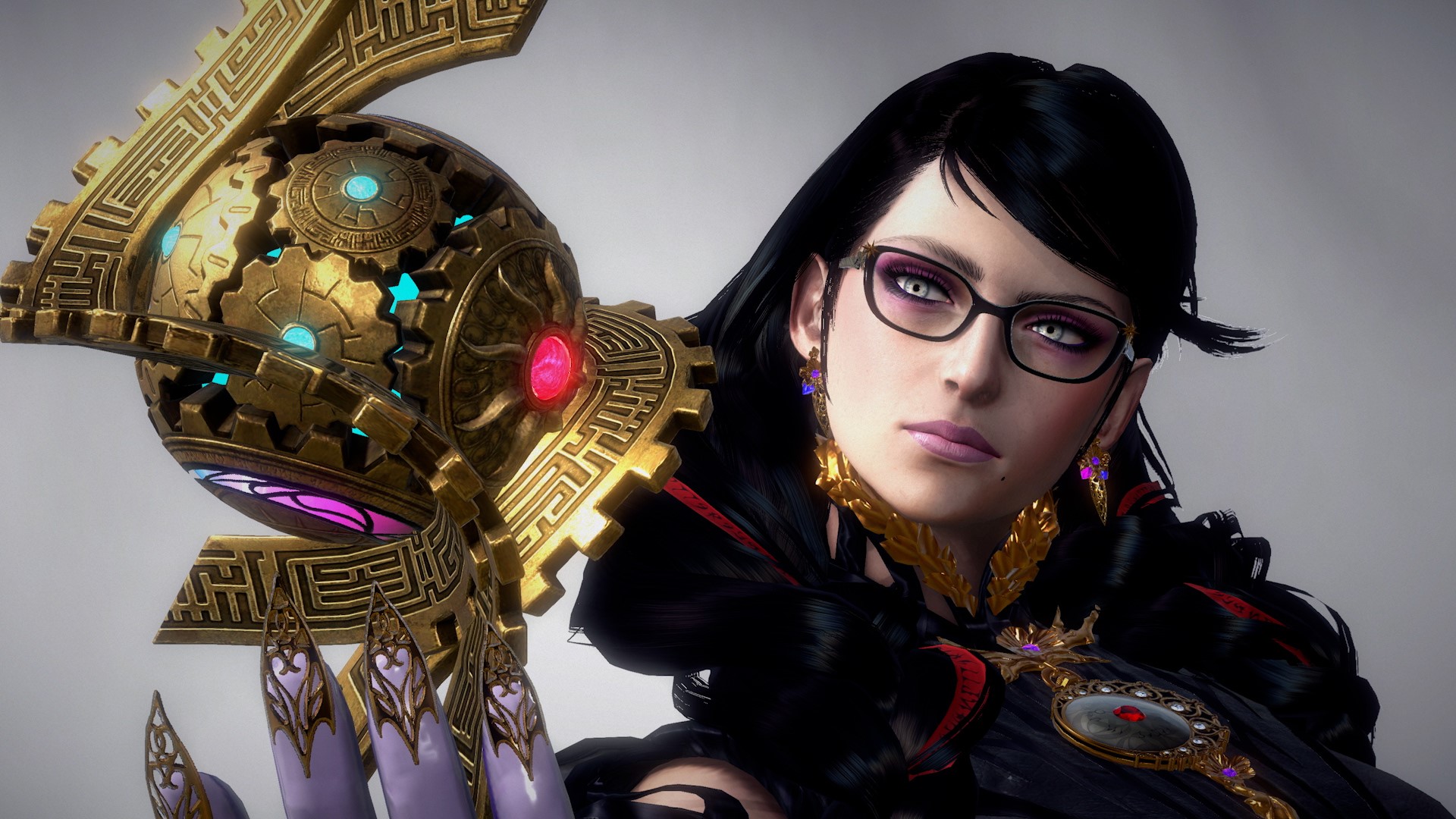
At the center of the experience is Bayonetta, the confident Umbra Witch whose battles combine fast movement, precise dodging, extravagant combos, and spectacular finishing attacks. However, Bayonetta 3 is not simply a larger version of the previous games. Its Demon Slave system fundamentally changes how encounters work, while Viola introduces a different combat style that requires players to approach battles in a new way.
This guide covers the game’s story, combat mechanics, characters, performance, progression, differences from earlier entries, and tips for getting the most from the experience.
What Is Bayonetta 3?
Bayonetta 3 is a stylish character-action game developed by PlatinumGames and published by Nintendo for the Nintendo Switch.
The game retains the series’ signature combination of melee attacks, firearms, dodging, magical abilities, and exaggerated set pieces while introducing several major changes.
Its most important features include:
- Demon Slave, which allows Bayonetta to command Infernal Demons during combat
- Multiple weapons with distinct combat styles
- A story involving parallel worlds and alternate versions of Bayonetta
- Viola, a new playable character
- Large cinematic battles and spectacular boss encounters
- Exploration areas containing collectibles, challenges, and optional content
For longtime fans, the game preserves the identity of the franchise while making its combat system considerably broader.
Bayonetta 3 Story Explained
The story begins with Bayonetta confronting a powerful new threat known as the Homunculi. These artificial beings are connected to a mysterious force capable of destroying entire realities.
As the danger escalates, Bayonetta’s journey takes her across different worlds. This multiverse structure allows the game to introduce alternate versions of familiar characters and locations.
The story also brings Viola into the spotlight. She is a young witch-in-training from another reality who becomes an important part of the conflict.
Why the Multiverse Matters
The multiverse concept gives Bayonetta 3 considerably more freedom than a conventional sequel.
It allows the developers to explore:
- Alternate versions of Bayonetta
- Different interpretations of familiar characters
- New environments
- Unexpected story developments
- Larger stakes than previous games
The approach is ambitious, although the narrative can become complicated because several realities, characters, and plot threads are introduced throughout the campaign.
Bayonetta’s Combat System
Combat remains the strongest part of Bayonetta 3.
Bayonetta is designed around mobility and timing rather than simply overwhelming enemies with repeated attacks. Players can combine melee strikes, ranged attacks, dodges, weapon abilities, and demon commands to create different offensive strategies.
Witch Time
Witch Time remains one of Bayonetta’s defining abilities.
When Bayonetta successfully dodges an incoming attack at the right moment, the game can temporarily slow down the surrounding action. This creates an opportunity to attack enemies while they are vulnerable.
Learning when to dodge is therefore just as important as learning how to attack.
Demon Slave
The biggest gameplay innovation is Demon Slave.
Instead of merely summoning demons for brief attacks, Bayonetta can directly control powerful Infernal Demons during battles.
Different demons provide different capabilities. Some are better suited to heavy damage, while others provide useful area attacks or alternative tactical options.
This creates a two-layer combat system:
- Bayonetta fights directly.
- The player commands a demon to support or extend the attack.
However, Demon Slave is not completely risk-free. Bayonetta’s movement and vulnerability need to be considered while a demon is under direct control.
Weapons and Combat Variety
One reason the combat remains fresh is the variety of weapons available throughout the game.
Weapons do more than change damage numbers. They can significantly alter movement, attack patterns, range, and combo possibilities.
Players can experiment with different combinations to find a style that fits their preferences.
Some approaches favor:
- Fast melee attacks
- Long-range damage
- Area control
- Mobility
- Crowd management
- High-risk, high-reward combinations
Rather than treating one weapon as universally superior, the game encourages experimentation.
Viola: A Different Way to Play
Viola is one of the most significant additions to Bayonetta 3.
Unlike Bayonetta, who relies heavily on perfectly timed dodges, Viola’s combat revolves around her katana and defensive parry mechanics.
She also fights alongside her demon, Cheshire.
This creates a noticeably different rhythm.
Bayonetta vs. Viola
| Feature | Bayonetta | Viola |
|---|---|---|
| Primary weapon style | Multiple weapons | Katana |
| Defense | Dodge-based | Parry-focused |
| Signature mechanic | Witch Time | Timed defensive actions |
| Demon interaction | Direct Demon Slave control | Cheshire |
| Combat feel | Fast and flexible | More timing-focused |
Players accustomed to Bayonetta may need some time to adjust to Viola. Her mechanics reward deliberate timing rather than simply copying Bayonetta’s combat habits.
Exploration and Level Design
Bayonetta 3 is not entirely focused on linear combat arenas.
Several areas encourage players to explore their surroundings and search for optional content.
Exploration can reveal:
- Collectibles
- Hidden challenges
- Upgrade resources
- Optional encounters
- Lore-related discoveries
- Alternative paths
The environments are also more varied than simply moving from one fight to another.
Some areas provide large-scale spectacle, while others give players opportunities to slow down and investigate their surroundings.
Large-Scale Set Pieces
One of Bayonetta 3’s most memorable qualities is its sense of scale.
The game frequently places the player in situations involving enormous enemies, collapsing environments, vehicles, supernatural creatures, and cinematic battles.
These sequences reinforce the exaggerated identity of the series.
Instead of presenting action on a small scale, the game repeatedly asks:
How spectacular can this battle become?
That philosophy is visible throughout the campaign.
Visual Style and Nintendo Switch Performance
Bayonetta 3 was built specifically for Nintendo Switch, and its visual identity focuses heavily on artistic direction, animation, effects, and spectacle.
The game features:
- Stylized character designs
- Large environments
- Detailed enemy models
- Dramatic special effects
- Fast combat animations
- Cinematic boss sequences
However, it is important not to confuse visual ambition with flawless technical performance. The Switch hardware imposes limitations, and some scenes can show compromises in image quality or performance.
Nevertheless, PlatinumGames uses the hardware effectively to deliver the scale and speed expected from the series.
Soundtrack and Presentation
Music is another major part of the Bayonetta experience.
The soundtrack combines energetic combat tracks with atmospheric compositions and dramatic themes. Music changes according to the situation, helping battles feel more theatrical.
Sound effects also contribute to the impact of combat. Weapon strikes, demon attacks, enemy reactions, and environmental destruction give battles a strong sense of energy.
The overall presentation supports the series’ distinctive personality: stylish, extravagant, humorous, and occasionally dramatic.
Bayonetta 3 Compared With Previous Games
| Feature | Bayonetta | Bayonetta 2 | Bayonetta 3 |
|---|---|---|---|
| Release | 2009 | 2014 | 2022 |
| Main platform at launch | PS3/Xbox 360 | Wii U | Nintendo Switch |
| Main protagonist | Bayonetta | Bayonetta | Bayonetta |
| Major combat feature | Witch Time | Umbran Climax | Demon Slave |
| Playable variety | Primarily Bayonetta | Bayonetta and Jeanne elements | Bayonetta and Viola |
| Story approach | Traditional supernatural action | Expanded mythology | Multiverse-focused |
| Combat emphasis | Speed and precision | Expanded spectacle | Weapons + Demon Slave |
The third game builds upon the mechanics established by its predecessors while significantly expanding the role of demons and introducing another playable fighting style.
Tips for Beginners
New players may initially find Bayonetta 3 overwhelming because the game introduces numerous mechanics at once.
These strategies can help.
Master Dodging First
Do not focus exclusively on long combos. Learning enemy attack patterns and timing your dodges is fundamental.
Experiment With Weapons
Different weapons can change the way Bayonetta moves and attacks. Try several instead of immediately committing to one.
Learn Demon Slave Timing
Demons are extremely useful, but using them without considering Bayonetta’s position can leave you vulnerable.
Explore the Environment
Do not rush through every area. Optional paths can contain useful resources and additional challenges.
Practice Combos
The training options are useful for learning how individual weapons and abilities interact.
Give Viola Time
If Viola initially feels uncomfortable, don’t assume the character is weak. Her mechanics simply require a different approach.
Is Bayonetta 3 Difficult?
The difficulty depends heavily on the selected setting and the player’s familiarity with character-action games.
Beginners may struggle initially with:
- Enemy attack timing
- Complex combos
- Demon management
- Viola’s mechanics
- Large boss encounters
However, the game rewards practice rather than requiring perfect execution from the beginning.
As players learn enemy patterns and understand the available systems, combat becomes considerably more manageable.
Replayability
Completing the main story is only part of the experience.
Players can return to previous chapters to:
- Improve combat scores
- Find collectibles
- Discover hidden content
- Practice weapons
- Attempt higher difficulties
- Improve their mastery of combat systems
This gives experienced players reasons to replay encounters rather than treating the campaign as a one-time experience.
What Critics and Players Like About Bayonetta 3
The game received strong attention for several aspects of its design.
Combat Variety
The expanded weapon system and Demon Slave mechanics provide more ways to approach encounters.
Spectacle
Large-scale battles and cinematic sequences remain a defining strength.
Character Variety
Viola gives the game a second combat identity and expands the series’ cast.
Creativity
The game consistently embraces unusual ideas instead of relying exclusively on conventional action-game design.
Common Criticisms
Despite its strengths, Bayonetta 3 is not universally considered perfect.
Some players have criticized:
- The complexity of its story
- Uneven visual quality in certain sections
- Performance compromises on Switch
- Viola’s different combat system
- Some large set pieces feeling less controlled than traditional Bayonetta combat
These criticisms are worth considering, particularly for players who prefer a more straightforward narrative or want consistently high technical performance.
Is Bayonetta 3 Worth Playing?
For fans of stylish action games, Bayonetta 3 is an easy recommendation.
It is particularly appealing if you enjoy:
- Fast-paced combat
- Character-action games
- Complex combo systems
- Spectacular boss battles
- Experimental game mechanics
- Replayable combat challenges
Newcomers can also enjoy it, although playing the previous games first can provide additional context for the characters and story.
The game’s biggest strength is its willingness to experiment without abandoning the fast, stylish combat that defines the series.
Final Verdict
Bayonetta 3 is an ambitious sequel that expands the franchise rather than simply repeating its established formula.
The introduction of Demon Slave changes how battles are approached, while Viola provides a fundamentally different combat style. Combined with multiple weapons, exploration, spectacular set pieces, and a multiverse storyline, the result is one of the most distinctive action experiences available on Nintendo Switch.
Its narrative may be complicated, and the hardware limitations of the Switch occasionally become visible, but those issues do little to diminish the creativity at the heart of the game.
For players who enjoy stylish combat, exaggerated action, and games that are willing to take creative risks, Bayonetta 3 remains a memorable entry in PlatinumGames’ action-game lineup.
Ultimately, the game’s appeal comes down to the same principle that has defined Bayonetta from the beginning: precision, personality, spectacle, and combat that rewards players for mastering its rhythm.