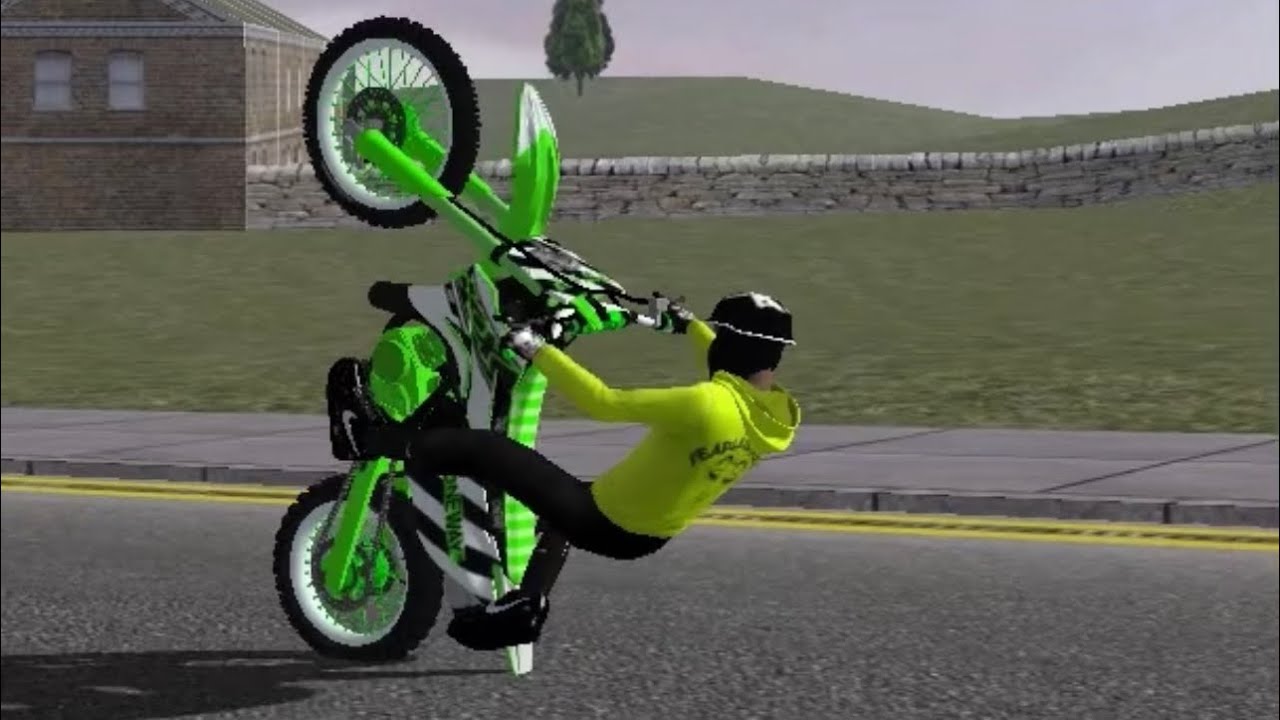
There is something universally thrilling about balancing on one wheel. Whether it is a child lifting the front wheel of a bicycle or a biker effortlessly gliding down an empty road, the wheelie has always symbolised skill, control, and boldness. That same rush has found its way into the digital world in the form of wheelie games, a genre that blends balance, timing, physics, and creativity into an addictive experience. These games have earned a special place among casual players, mobile gamers, and even competitive enthusiasts who love testing their virtual riding abilities.
In the world of online and mobile gaming, wheelie-based challenges represent more than simple stunts. They reflect precision. They require concentration. And for many players, they offer a surprising sense of satisfaction, especially when a perfect wheelie carries them across an entire level. But how did these games become so popular? Why are players drawn to them? And what makes them stand out from countless other vehicle-based games?
Let’s journey into the exciting, sometimes chaotic, and always entertaining universe of one-wheel mastery.
What Makes Wheelie Games So Addictive?
At first glance, wheelie games may seem straightforward — keep the front wheel lifted, maintain balance, and avoid crashing. But beneath that simplicity lies a layered mix of physics, timing, and creativity. The mechanics are easy to learn but hard to master, allowing players to experience a strong sense of progression.
The physics behind the wheelie
Most wheelie games rely on realistic, or at least semi-realistic, physics engines. The player must carefully manage the tilt of the bike, throttle speed, and landing angle. One small miscalculation can lead to flipping backward or slamming the front wheel down too abruptly. The constant challenge of adjusting balance keeps players fully engaged.
Learning curve that rewards effort
The more you play, the better you get. And the better you get, the more enjoyable each attempt becomes. A long, smooth wheelie feels like a genuine accomplishment, even when performed in a virtual world.
Instant replayability
Every run is different. Maybe you lean back a little too far. Maybe you gain speed too quickly. The unpredictability creates endless opportunities to improve your skills or chase new high scores.
Wheelie Games: A Growing Trend in Online and Mobile Play
The popularity of wheelie games has grown tremendously over the last decade. With mobile gaming becoming a daily habit for millions, simple physics-based games rose to the top of the charts. Wheelie-style challenges fit perfectly into this trend because they require minimal controls but offer maximum entertainment.
How the trend began
The earliest wheelie-focused games were side-scrolling flash games. They were simple, usually featuring a stick figure or basic motorcycle graphics. Yet players loved them because they were challenging and addictive. Over time, developers expanded on the concept, adding better graphics, multiple vehicles, customisation options, and story-driven levels.
The rise of mobile platforms
Once smartphones became widespread, wheelie games transitioned seamlessly to touch controls. Players quickly realised that the tap-and-hold mechanics were perfect for stunts, tricks, and balancing challenges. Soon, endless runner styles, obstacle courses, and even racing formats adapted the wheelie concept.
Social media and viral trends
Short videos of real-life wheelies often go viral on social media. That excitement spills over into gaming, where players get to mimic the same stunts in a safer, fun, and unlimited environment. It’s no surprise that millions of downloads and trending charts reflect this cultural crossover.
Elements That Define a Great Wheelie Game
Not all wheelie games are created equal. Some are simple and relaxing, while others are intense and strategy-heavy. Yet the very best wheelie games usually share a few defining characteristics.
1. Smooth and responsive controls
Players need predictable, responsive control over the bike or vehicle. If the gameplay feels clunky, the excitement fades quickly. Good games allow players to make tiny adjustments in balance without lag or delay.
2. Realistic (or satisfyingly exaggerated) physics
Great wheelie games don’t have to be realistic — but the physics must feel consistent. Whether the game aims for authenticity or cartoonish exaggeration, the way vehicles behave should remain logical within its universe.
3. Rewarding challenges
From basic wheelie distance goals to complex obstacle courses, the challenges must be engaging and varied. Levels that grow progressively harder keep players coming back.
4. Customisation
Many modern wheelie games allow players to modify their bikes, characters, or gameplay environment. Customisation makes the experience more personal and enjoyable.
5. A satisfying progression loop
Earning points, unlocking new items, or improving a character’s abilities creates a sense of achievement. Players love feeling that their effort is leading somewhere.
Exploring the Different Subgenres of Wheelie-Based Games
Wheelie games span many different styles. Some are calm and relaxing, while others demand high precision and fast reactions. Understanding the subgenres helps explain why the category is so popular among diverse age groups.
Side-scrolling stunt games
This is the classic format. Players ride a bike from left to right, attempting to maintain their wheelie while navigating hills, ramps, and obstacles. These games highlight balance skills and timing.
Obstacle-based adventure formats
Some wheelie games combine balancing mechanics with puzzle-like elements. Players must decide when to raise the wheel, lower it, or adjust speed depending on what lies ahead.
Endless runner style
In these games, the goal is to keep going for as long as possible. The track speeds up, obstacles increase, and the challenge becomes one of endurance and quick reactions.
Competitive racing formats
Some games add wheelie mechanics to race scenarios. Players must decide when performing a wheelie gives speed advantage and when it might risk losing control.
Freestyle stunt simulators
These give players a sandbox environment to perform tricks. The focus is style over survival.
Each subgenre appeals to a different type of player, making the category feel fresh and flexible.
The Skill Behind the Virtual Wheelie
Balance
Balance is the heart of every wheelie game. Even the smallest tilt adjustment determines whether you glide smoothly or flip backward. Mastering this takes practice, timing, and patience.
Timing
Timing the lift, the acceleration, and the landing is crucial. Good timing leads to flawless wheelies. Poor timing leads to instant crashes.
Anticipation
Advanced players learn to anticipate the terrain. They adjust their wheelie height based on upcoming slopes, bumps, or jumps. This transforms a simple challenge into a strategic test.
Confidence
Once you unlock the rhythm, confidence becomes your ally. Smooth wheelies depend on staying relaxed, even when obstacles appear suddenly.
The Psychology Behind the Fun
There is a reason players spend hours trying to perfect their wheelies.
Instant gratification
A successful wheelie gives a quick dopamine boost. It’s small, but addictive — especially when you push the wheelie farther each time.
Low effort, high reward
Controls are simple. You can play at home, on a break, or during travel. Yet the sense of achievement feels bigger than expected.
Competition
Whether competing with yourself or others, the desire to beat a score drives repeated play. The challenge never truly ends.
Mind-body satisfaction
Even though the game is digital, the balancing act feels mentally physical. Players instinctively tilt their heads or tap with rhythm, creating a uniquely immersive experience.
The Evolution and Popularity of Wheelie Games
The global rise of wheelie games reflects players’ desire for simple yet challenging gameplay. Over the years, these games have moved from basic flash animations to realistic 3D environments filled with dynamic mechanics. Players love how these games blend skill and entertainment — and developers continue to expand the genre with creativity and innovation.
This surge in popularity is also fueled by new generations of players discovering the joy of mastering the one-wheel stunt. Whether on console, mobile, or browser-based platforms, the evolution of wheelie games continues to surprise the gaming community.
Real-World Wheelies vs. Virtual Wheelies
While real-life wheelies involve risk, fear, and physical strength, virtual wheelies offer the same excitement without danger. This difference is crucial in understanding why wheelie games appeal to such a wide audience.
No risk, only thrill
You can crash a hundred times in a game with no real consequence. This makes players more fearless and experimental.
Anyone can play
You don’t need a bike, protective gear, or an empty road. You only need a device — and the desire to improve.
Creativity expands
Games allow players to perform stunts that are unrealistic or even impossible in real life. This unleashes imagination and increases enjoyment.
Why the Genre Continues to Grow
Accessibility
Wheelie games are easy to learn, making them ideal for players of all ages.
Endless improvement
No matter how skilled you get, there’s always room to do better.
Cross-platform success
From computers to tablets to phones, these games work on nearly any device.
Constant updates
Developers frequently add new features, characters, bikes, and levels to keep players engaged.
The combination of simplicity and creativity ensures that wheelie-based games remain a staple in casual and competitive gaming.
FAQs
1. What are wheelie games?
They are physics-based video games focused on balancing a bike or vehicle on one wheel while navigating obstacles or reaching specific goals.
2. Are wheelie games suitable for all ages?
Yes, most are designed to be simple enough for children but challenging enough for adults.
3. Do these games require fast reflexes?
Reflexes help, but balance, timing, and patience are more important than speed.
4. Why are these games so addictive?
Their mix of instant gratification, progression, physics, and competition keeps players coming back.
5. Can these games improve real-life wheelie skills?
Not in a physical sense, but they can help with understanding balance concepts and timing.
Conclusion
Wheelie games capture the perfect blend of simplicity, excitement, and challenge. They allow players to experience the thrill of balancing on one wheel without risk or limitations. The genre’s success lies in its accessibility, evolving creativity, and deep satisfaction that comes from mastering a delicate stunt. Whether you are a casual gamer or someone who loves physics-based challenges, wheelie games offer endless entertainment and a rewarding sense of accomplishment. Their charm is timeless — and their future is wide open, just like the roads riders dream of conquering.