Few video game franchises have achieved the level of recognition and cultural impact of Mortal Kombat. What started as a risky experiment in the arcade era became one of the most influential fighting game series in history. With its intense battles, unforgettable characters, cinematic storytelling, and unique identity, the franchise grew far beyond a simple fighting game.
For more than three decades, Mortal Kombat has continued to evolve alongside the gaming industry. It survived the transition from arcades to home consoles, adapted to modern expectations, and introduced new generations of players to its brutal yet fascinating universe.
The secret behind its success is not only the combat system or famous characters. It is the combination of creativity, controversy, storytelling, and a willingness to push boundaries. Mortal Kombat created a world where martial arts, fantasy, mythology, and science fiction could exist together—and players wanted to explore every part of it.
The Origins of Mortal Kombat: A Risk That Became a Revolution
Mortal Kombat was created during the golden age of arcade gaming, a period when developers were searching for new ways to capture players’ attention.
At the time, many fighting games relied on traditional animation styles. Mortal Kombat took a different approach by using digitised images of real actors, creating a more realistic appearance that immediately separated it from competitors.
This visual style gave the game a unique atmosphere:
- Fighters looked like real martial artists.
- Attacks felt more intense.
- Matches appeared more cinematic.
- Characters seemed connected to a larger world.
The combination of realism and fantasy created something players had never experienced before.
However, the biggest innovation was not just the visuals. It was the personality behind the game. Mortal Kombat had a darker tone, mysterious characters, supernatural abilities, and a sense that every fighter had a story to tell.
The World and Story Behind Mortal Kombat
Unlike many early fighting games that focused only on matches, Mortal Kombat developed a detailed universe.
The central idea revolves around powerful realms, ancient warriors, and battles that determine the fate of entire worlds. Over time, the story expanded to include:
- Rival clans
- Powerful gods
- Otherworldly threats
- Time manipulation
- Alternate realities
- Personal conflicts between fighters
This deeper storytelling helped the franchise stand apart.
Players were not only interested in winning fights—they wanted to understand the characters, discover their histories, and see how their choices affected the universe.
The idea of combining fighting mechanics with cinematic storytelling became one of Mortal Kombat’s greatest strengths.
Iconic Characters That Built the Franchise
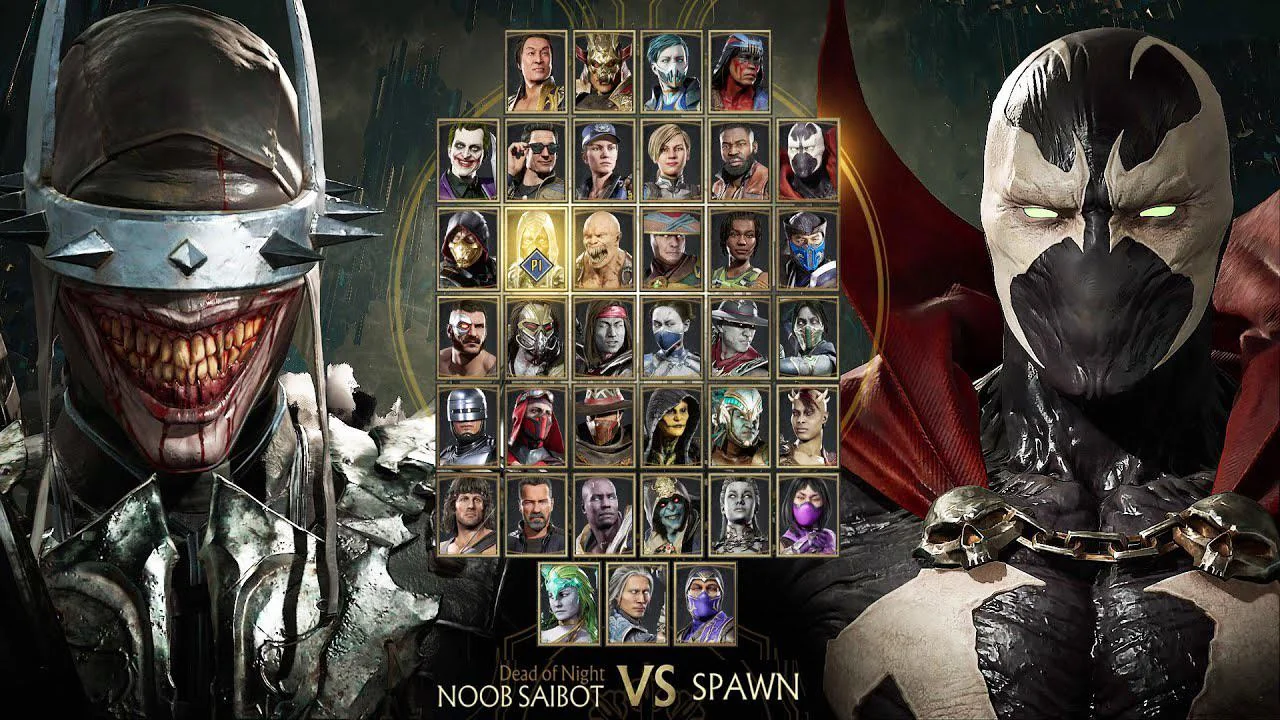
A fighting game is only as memorable as its roster, and Mortal Kombat created some of gaming’s most recognizable characters.
Each fighter has a unique personality, background, and combat style.
Some characters became legendary because of their:
- Distinct appearances
- Special abilities
- Personal rivalries
- Memorable dialogue
- Unique fighting techniques
The franchise succeeded because players could connect with different fighters for different reasons.
Some fans preferred heroic characters, while others were drawn toward mysterious villains or unpredictable warriors.
This emotional connection helped turn characters into symbols recognized even outside gaming culture.
Gameplay Evolution: From Arcade Battles to Modern Combat
At its foundation, Mortal Kombat is about timing, strategy, and execution.
The gameplay rewards players who understand:
- Movement
- Defense
- Combos
- Character strengths
- Opponent patterns
While the series became famous for its dramatic finishing moves, its long-term success came from creating a fighting system that balanced accessibility with depth.
Beginners could enjoy casual matches, while experienced players could spend years mastering advanced techniques.
Over the years, developers introduced new ideas, including:
- Improved combat systems
- Character variations
- Interactive environments
- Cinematic sequences
- Online competition
Each generation brought changes while preserving the identity that fans loved.
How Technology Transformed Mortal Kombat
The evolution of technology played a major role in shaping the franchise.
The earliest games relied on digitised characters and arcade hardware limitations. Modern versions benefit from:
- Advanced graphics engines
- Realistic animations
- Detailed environments
- Complex storytelling systems
- Online multiplayer features
Today’s Mortal Kombat games create a much more immersive experience.
Characters show realistic expressions, arenas feel alive, and story scenes resemble action movies.
The franchise successfully adapted because it embraced new technology without losing its original personality.
The Controversy That Made Mortal Kombat Famous
Mortal Kombat has always been a franchise willing to create discussion.
Its intense violence and dramatic finishing moves attracted significant attention during its early years. These debates became part of gaming history and contributed to conversations about:
- Content ratings
- Creative freedom
- Responsibility in game design
- The maturity of video games as entertainment
While controversy surrounded the franchise, it also increased public awareness.
Mortal Kombat became one of the games that helped the industry recognize the importance of age ratings and content guidelines.
In an unusual way, the debates around the series helped shape the future of gaming.
The Importance of Competitive Play and Community
A major reason Mortal Kombat remains popular is its dedicated community.
Players around the world continue to enjoy:
- Local competitions
- Online battles
- Tournaments
- Character discussions
- Strategy development
Competitive players study every detail, including:
- Attack timing
- Defensive options
- Character matchups
- Advanced techniques
The community keeps the franchise alive between releases.
Beyond competition, fans express their passion through:
- Fan artwork
- Cosplay
- Custom creations
- Discussions about future stories
Mortal Kombat has become more than a game—it has become a shared culture.
Storytelling: Why Mortal Kombat Feels Like a Movie
Modern Mortal Kombat games are known for their cinematic approach.
The developers moved beyond simple arcade endings and created full narratives where characters experience:
- Personal struggles
- Betrayals
- Unexpected alliances
- Emotional conflicts
This storytelling style allows players to become invested in the characters beyond combat.
A battle is no longer just about defeating an opponent. It is often connected to larger conflicts involving honour, revenge, loyalty, and survival.
Music, Visual Design, and Immersion
A memorable gaming experience requires more than gameplay.
Mortal Kombat has always used atmosphere effectively.
Important elements include:
- Powerful sound effects
- Dramatic music
- Detailed environments
- Unique character designs
Each arena tells a story.
Whether the setting is a mysterious realm, ancient temple, or futuristic location, the environment supports the world-building.
The combination of visuals and sound creates the intense atmosphere that defines the franchise.
Mortal Kombat’s Influence Beyond Gaming
The impact of Mortal Kombat extends far beyond video games.
The franchise influenced:
- Fighting game design
- Character creation
- Action entertainment
- Gaming culture
- Film adaptations
Even people who have never played the games often recognize certain characters and concepts.
Few fighting games have achieved such widespread cultural awareness.
Its success proves that a video game can become part of global entertainment history.
Why Fans Continue Returning to Mortal Kombat
Nostalgia is one reason players return, but it is not the only one.
The franchise stays relevant because it constantly balances:
- Familiar elements
- New ideas
- Classic characters
- Modern gameplay
Long-time fans receive the experience they love, while new players find a welcoming entry point.
Every new release creates excitement because fans expect both respect for the past and innovation for the future.
The Future of Mortal Kombat
The future of Mortal Kombat looks promising as technology continues advancing.
Future possibilities include:
- More cinematic storytelling
- Improved character animations
- Deeper online experiences
- New gameplay mechanics
- Expanded universe development
The franchise has already survived multiple generations of gaming, proving that strong identity matters.
As long as developers continue combining creativity with player expectations, Mortal Kombat will likely remain an important part of gaming culture.
The Lasting Legacy of Mortal Kombat
Mortal Kombat is not successful simply because it is a fighting game.
Its legacy comes from its ability to create an entire experience.
The franchise combined:
- Memorable characters
- Challenging gameplay
- Unique storytelling
- Cultural influence
- A passionate community
Few games have managed to remain recognizable and relevant for so many years.
From arcade machines to modern gaming platforms, Mortal Kombat has continued evolving while keeping the spirit that made it famous.
Its journey proves that bold ideas, strong creativity, and a clear identity can transform a simple game concept into a worldwide phenomenon.
Conclusion
Mortal Kombat remains one of the most important franchises in gaming history because it constantly pushes boundaries while staying connected to its roots.
Its characters became icons, its gameplay inspired generations of fighting games, and its storytelling helped prove that games could deliver powerful cinematic experiences.
More than thirty years after its debut, Mortal Kombat continues to entertain, challenge, and inspire players around the world. Its legacy is not only built on battles—it is built on imagination, innovation, and the unforgettable world it created.