From the moment players first stepped into a quiet village full of talking animals, Animal Crossing sparked a new way to play video games. It offered something different from traditional adventures or competitive challenges. Instead of fierce battles or tight time limits, it offered gentle days filled with fishing, friendship, and creativity. This series has grown into one of Nintendo’s most beloved franchises, capturing hearts around the world with its welcoming world and endless possibilities.
What makes this franchise remarkable isn’t just its chart-topping success or million-sold copies. It’s how Animal Crossing invites players to slow down, explore, and make their own stories in a world where kindness and imagination live at the center of the experience.
The World of Animal Crossing: Life in a Village Full of Friends
When you start a game in Animal Crossing, you step into the shoes of a human who arrives in a village inhabited by friendly animal neighbors. Every villager has a distinct personality, a unique look, and a voice that makes the world feel alive.
Unlike many games that guide players with strict objectives, Animal Crossing gives you freedom to shape your day. You might spend the morning fishing by the river, then wander off to catch insects in the sunshine. Other days you may plant flowers, dig up fossils, or simply chat with your neighbors.
This open-ended design is one of the defining qualities of the series. There is no fixed ending and no rush to finish quests. Instead, the game encourages you to find joy in small moments, like discovering a rare fish or watching the seasons change in real time.
A Canvas for Self-Expression
In each installment of the series, players are given tools to express themselves creatively. Decorating your home, choosing a style of clothing, and laying out gardens turn each player’s world into something deeply personal.
Whether you adorn the path to your doorstep with flowers or craft unique furniture to fill every room, creativity is rewarded. Many fans find this aspect deeply satisfying because it allows their imagination to flourish without pressure.
A History of Charm and Innovation
Animal Crossing began in 2001 as a social simulation game created by Nintendo. It debuted in Japan on the Nintendo 64 under the title Dōbutsu no Mori, and later expanded to a global audience on the GameCube.
From that first release, the game introduced a real-time clock system that mirrors day and night as time passes in the real world. This feature makes every session feel fresh because characters follow routines, seasons shift, and special events happen on specific days.
Over the decades, the series has expanded to include multiple main titles and spin-offs, each building on the charm and openness of those early designs. Today, the franchise stands as one of Nintendo’s major successes, selling tens of millions of copies worldwide.
Real Freedom, No Rush to Finish
One of the reasons Animal Crossing resonates deeply is its lack of demanding deadlines or forced goals. You are free to shape your world however you like. If you want to save every fossil in your collection, you can do that. If you’d rather spend your day fishing, that’s your choice too.
This flexibility helps the game appeal to a wide audience. Players who enjoy strategy may set architectural goals for their island, while others might simply enjoy watching the sunset over a pixelated ocean. Whatever style you choose, the game adapts to your pace.
Animal Crossing: New Horizons and Its Impact
One of the most significant milestones in the franchise’s history is Animal Crossing: New Horizons, released on Nintendo Switch in 2020. This edition became a cultural phenomenon, praised for its beauty, creativity, and calming gameplay.
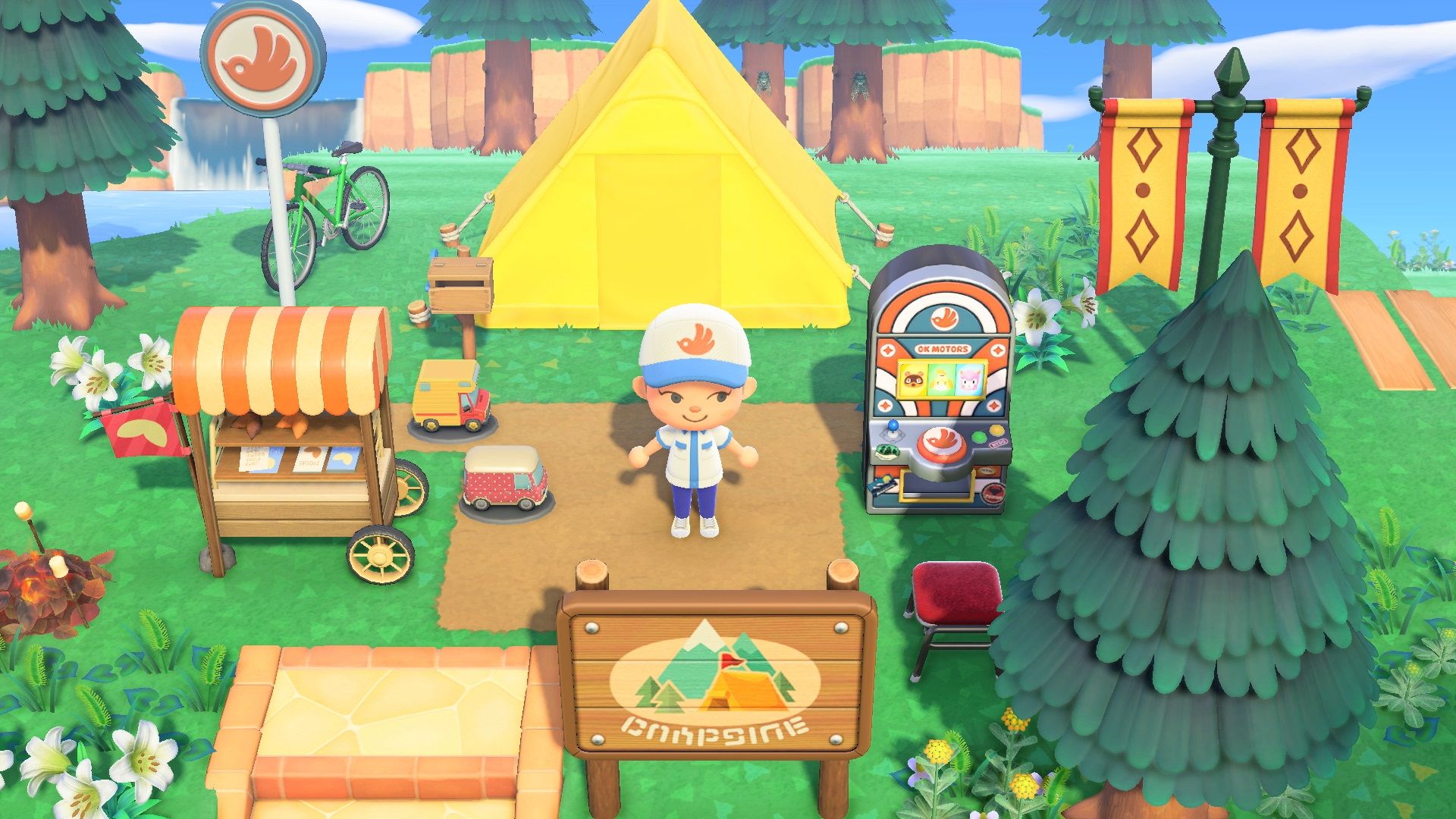
In New Horizons, players begin life on a deserted island with nothing but a tent and a promise of adventure. From there, they develop the island into a vibrant community full of animal friends. The freedom to terraform land, arrange buildings, and customize every detail elevated the experience to new heights.
More Than Just a Game
It wasn’t long before players discovered that Animal Crossing: New Horizons offered more than entertainment—it offered connection. During times when people were physically isolated, players used the game as a social space. Friends visited each other’s islands, shared designs, and celebrated birthdays together in a virtual world when real-life gatherings were limited.
For many, the game became a place to relax and lean into simple pleasures. Catching insects, decorating homes, and chatting with villagers was not just gameplay—it became a form of stress relief and social bonding.
Community and Creativity Beyond the Console
The influence of Animal Crossing has spread well beyond Nintendo consoles. Fans have used the game worlds as platforms for creative expression, hosting virtual fashion shows, building detailed recreations of real-world locations, and sharing their designs across social communities.
These activities highlight how the series reaches into people’s lives in meaningful ways. What began as a simple simulation game has grown into a space where art, fashion, and social interaction converge.
Fashion, Stories, and Shared Memories
Some fans have taken the customization features of Animal Crossing to artistic levels, creating digital fashion shows and sharing outfit designs inspired by real-world brands. These community gatherings show how players bring their own personalities into the game.
Beyond fashion, players tell stories of friendships formed around shared experiences in the game. Whether it’s trading items, visiting islands, or decorating together, the game becomes a touchpoint for cherished memories.
Looking Ahead: The Future of Animal Crossing
As technology and gaming trends evolve, so does the Animal Crossing experience. New versions and updates continue to introduce content that keeps the community engaged. In the coming years, expanded features and enhanced visuals will likely deepen the immersive nature of the game worlds.
Multiplayer experiences are becoming richer, inviting more people to build, explore, and interact together. This evolution shows that the series is not standing still—it continues to grow with its audience.
Change Without Losing Soul
Even as the series expands into new platforms and technologies, the heart of Animal Crossing remains the same: it’s a game about life, community, and making a space your own. The core philosophy of welcoming players and letting them choose their own path has been a thread uniting every version from the original village on GameCube to the bustling islands on Switch.
This commitment to creativity and personal space is what ensures the franchise’s lasting appeal. Players return not out of obligation but because the world continues to feel warm, inviting, and full of possibilities.
Conclusion
Animal Crossing stands as a testament to the power of open-ended gameplay and social creativity. Over the years, it has transformed from a small village simulation into a global cultural experience. Its charm lies not in winning battles or completing levels, but in the freedom to build, connect, and enjoy life at your own pace.
What began with discovering fossils and catching fish has become an expansive world where players form friendships, create masterpieces, and share delightful moments. At its heart, Animal Crossing remains a world where players feel welcomed, relaxed, and free to be themselves—a rare gift in an ever-changing digital landscape.