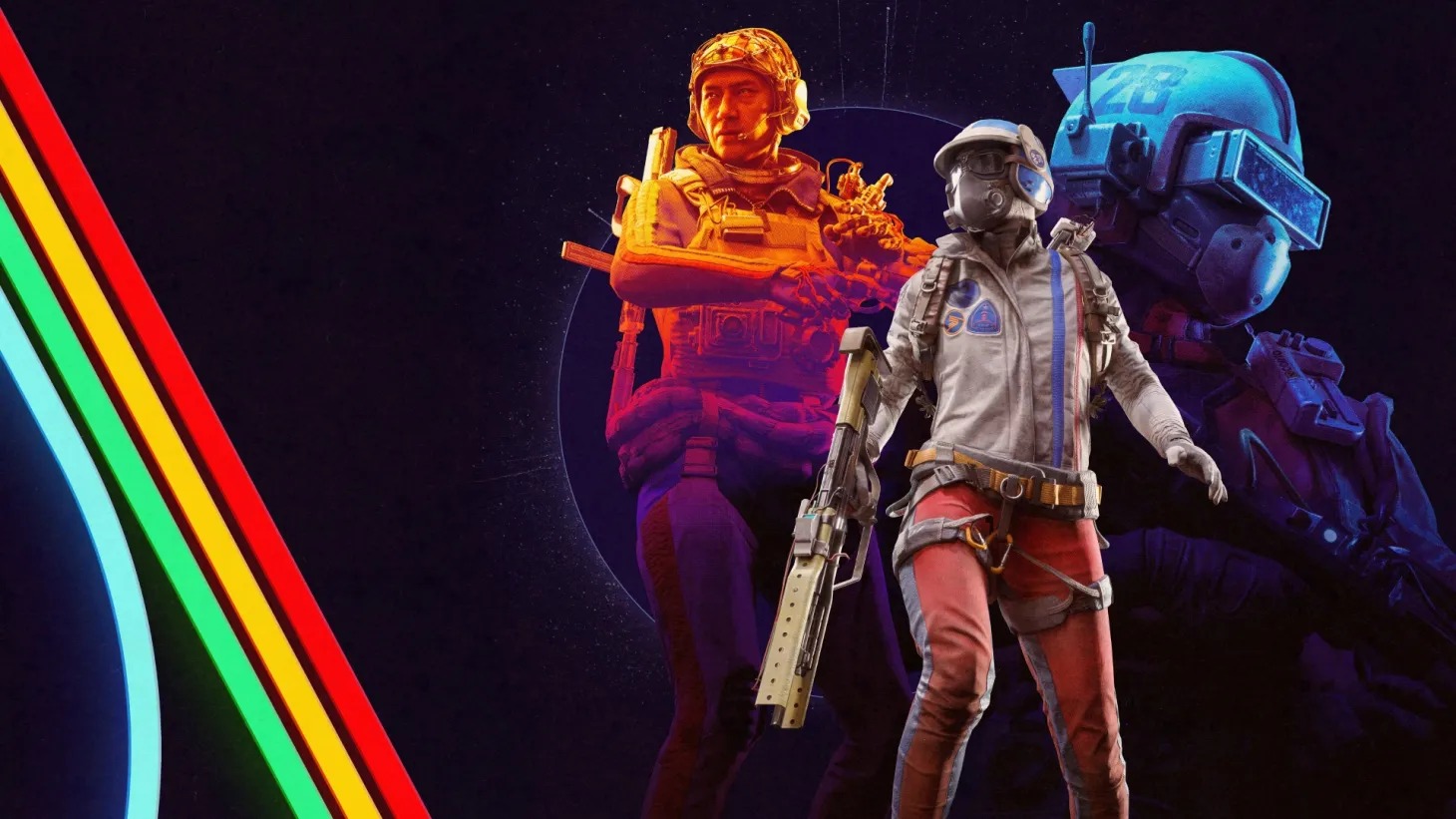
Arc Raiders arrives as a science-fiction experience shaped by tension, atmosphere, and the fragile balance between humanity and technology. Rather than overwhelming players with constant spectacle, it builds its identity through quiet dread, careful exploration, and moments of sudden danger. Arc Raiders is not simply about combat. It is about endurance, cooperation, and the choices people make when survival is never guaranteed.
From its first impression, the game presents a world that feels lived in and wounded. Cities lie broken, machines roam with silent purpose, and human settlements cling to existence through shared effort. This setting creates a strong emotional foundation, inviting players to step into a conflict that feels personal rather than abstract.
Arc Raiders and the Art of a Threatened World
At the heart of the experience lies a carefully constructed setting. The Earth has changed, and not for the better. Advanced mechanical entities dominate the surface, forcing humanity underground or into scattered enclaves. The world above is both beautiful and hostile, a reminder of what once was and what might never return.
Environmental Storytelling
The environment tells its own story without relying on heavy exposition. Ruined structures, abandoned technology, and silent landscapes suggest years of struggle and loss. Each location feels deliberate, as if shaped by the same conflict that now defines daily life.
This approach encourages players to observe rather than rush. The world rewards attention, making exploration feel meaningful and often uneasy.
A Living Sense of Danger
Threat is not constant noise. Instead, it lingers. Long stretches of calm can be broken by sudden encounters that test awareness and restraint. This pacing keeps tension high and reinforces the idea that survival depends on preparation, not aggression alone.
Human Survival as a Shared Effort
One of the strongest elements of the game is its focus on cooperation. Survival is rarely a solo endeavor. Players are encouraged to work together, combining skills and awareness to overcome threats that would be overwhelming alone.
Community Over Heroism
The narrative does not frame players as unstoppable heroes. Instead, they are survivors, relying on teamwork and shared resources. This shift in perspective adds emotional weight to every decision.
Helping others is not just a moral choice. It is a practical one. The world punishes isolation and rewards collaboration.
Risk, Reward, and Consequence
Every mission carries risk. Supplies are limited, and mistakes can be costly. This creates a sense of consequence that grounds the experience. Success feels earned because failure is always possible.
Technology as an Unseen Enemy
The mechanical forces that dominate the surface are not portrayed as simple villains. They feel like remnants of something larger, systems that continue operating long after their original purpose has been forgotten.
Design That Inspires Unease
The machines are not loud or exaggerated. Their movements are precise, almost indifferent. This restraint makes them more unsettling. They do not chase chaos. They enforce it through cold efficiency.
Encounters with these entities are memorable because they feel unpredictable. Each confrontation demands attention and respect.
Humanity Versus Its Own Creations
The underlying theme is clear. Technology, once a tool of progress, has become an obstacle to survival. This tension adds depth to the narrative and invites reflection on control, responsibility, and unintended consequences.
Progression Through Experience, Not Excess
Character growth is subtle and tied closely to player experience. Progression does not rely on exaggerated power increases. Instead, it focuses on improved understanding, better equipment choices, and refined teamwork.
Skill Over Spectacle
Success depends on learning enemy behavior, understanding environments, and coordinating with others. This emphasis on skill creates a satisfying sense of mastery that grows naturally over time.
Equipment as a Reflection of Strategy
Gear choices matter. Each piece of equipment supports different approaches, encouraging players to adapt rather than follow a single optimal path. This flexibility keeps encounters fresh and personal.
A Visual and Audio Identity with Purpose
The game’s presentation supports its themes without overwhelming them. Visuals are grounded and atmospheric, favoring realism over excess. Sound design plays an equally important role.
Sound as a Warning
Subtle audio cues often signal danger before it becomes visible. Distant mechanical movement or changes in ambient noise can mean the difference between escape and disaster.
This use of sound reinforces awareness and immersion, drawing players deeper into the experience.
Visual Restraint and Emotional Impact
By avoiding constant visual overload, the game allows quiet moments to resonate. Empty spaces and subdued lighting create contrast, making action sequences more impactful when they occur.
Player Choice and Emergent Stories
The most compelling stories often emerge naturally from gameplay. Unexpected encounters, narrow escapes, and shared victories become personal narratives that differ from player to player.
Freedom Within Structure
While the world has clear rules, players are free to approach situations creatively. There is no single correct solution, only choices shaped by context and consequence.
This design encourages experimentation and replayability, as each session can unfold differently.
Shared Memories and Cooperation
Moments of cooperation often become the most memorable. Helping a teammate survive or escaping together from overwhelming odds builds connections that last beyond individual sessions.
The Emotional Weight of Persistence
What truly defines the experience is its emotional consistency. The world does not reset its tone. Danger remains real, and survival remains uncertain. This persistence creates a strong bond between player and setting.
Resilience as a Core Theme
Progress is not about domination. It is about endurance. Each successful mission reinforces the idea that persistence, not power, is the key to survival.
A World That Feels Earned
As players spend more time in the game, the world begins to feel familiar. Not safe, but understood. This familiarity deepens immersion and strengthens emotional investment.
Conclusion
In a landscape crowded with loud and aggressive experiences, Arc Raiders stands apart through restraint and intention. It offers a world that challenges players not only through combat, but through atmosphere, cooperation, and consequence. The experience respects patience, rewards awareness, and tells its story through the space between action and silence.
By focusing on survival as a shared journey rather than a solo conquest, Arc Raiders delivers a vision that feels grounded, human, and lasting.