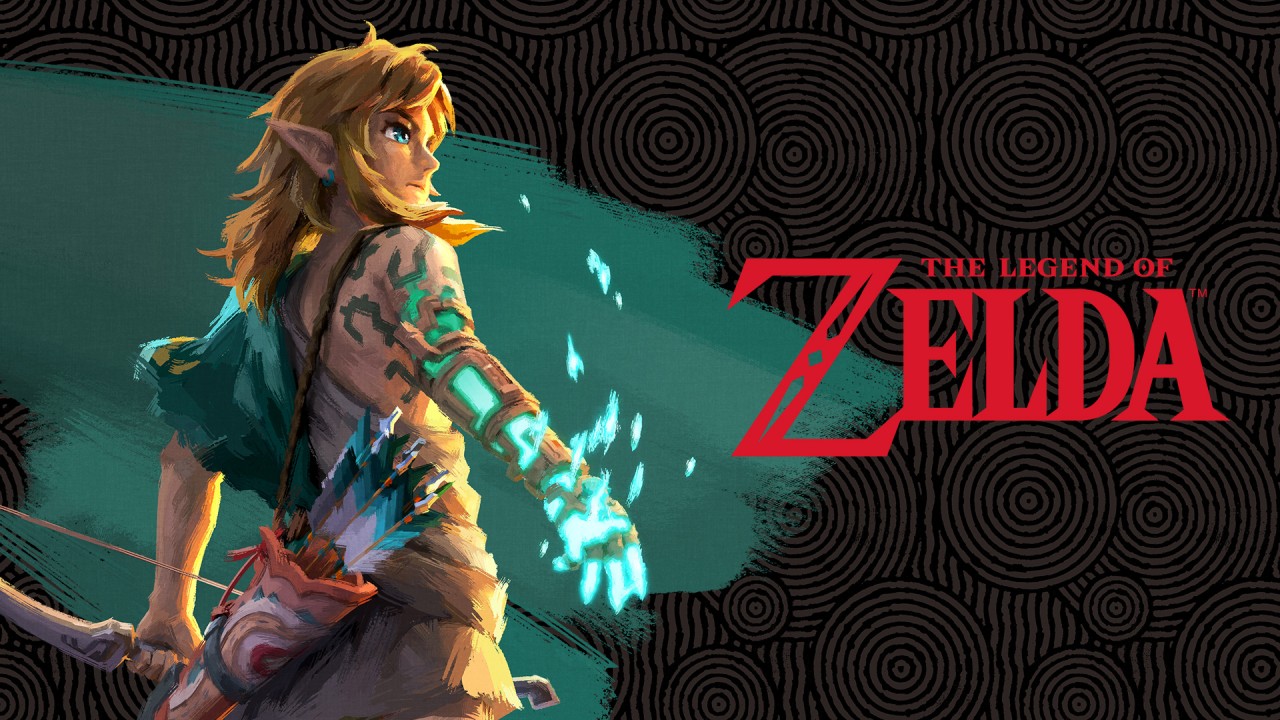
Some video games are remembered because they were successful. Others are remembered because they changed how people think about games.
The Legend of Zelda belongs to the second category.
For decades, the series has represented something rare in entertainment: the feeling of genuine discovery. While many games focus on completing objectives, defeating enemies, or following carefully designed paths, Zelda has always encouraged something different—curiosity.
It asks players to explore unknown places, solve problems creatively, and create their own memories along the way.
From the first journey across Hyrule to modern open-world adventures, the series has maintained a unique identity built around exploration, imagination, and emotional connection.
This article explores how The Legend of Zelda became one of gaming’s most influential franchises, why its design philosophy continues to inspire developers, and what makes its adventures remain meaningful across generations.
The Birth of The Legend of Zelda: Creating a New Kind of Adventure
When the original The Legend of Zelda launched, it introduced an idea that felt revolutionary: a game world that belonged to the player.
Instead of moving through a predictable sequence of stages, players were encouraged to investigate, experiment, and discover secrets independently.
The game did not constantly explain what to do.
It trusted players.
That trust became one of the most important foundations of the franchise.
A World Designed for Discovery
The world of Hyrule was never just a background.
It was part of the gameplay itself.
A suspicious-looking wall, a hidden cave, or a strange object in the environment could lead to something important. Players learned that curiosity was rewarded.
This created a powerful feeling:
Every discovery belonged to the player.
Finding a secret passage or solving a difficult puzzle was not simply completing a task. It was a personal achievement.
Modern games often provide constant guidance, but Zelda’s early design philosophy showed the power of allowing players to wonder.
Link: The Hero Who Lets Players Become the Hero
One of the most interesting choices in the series is Link’s quiet personality.
Unlike many famous protagonists, Link rarely communicates through long conversations or dramatic speeches.
Instead, players understand him through action.
This design creates a unique relationship between character and player.
Link is not only someone players watch.
He is someone players experience.
His silence creates room for imagination, allowing different generations of players to create their own version of the adventure.
Storytelling Through Environment and Emotion
The Legend of Zelda has always used a different approach to storytelling.
Rather than depending only on dialogue or cinematic scenes, the series communicates through:
- Locations
- Music
- Characters
- Visual details
- Player experiences
A forgotten temple tells a story.
An abandoned village creates emotion.
A quiet field can communicate loneliness and mystery.
The environment itself becomes a storyteller.
This approach allows players to experience the world instead of simply being told about it.
The Core Themes Behind Zelda
At its heart, The Legend of Zelda is built around timeless ideas.
The famous concepts of:
- Courage
- Wisdom
- Power
are not just symbols. They represent questions that appear throughout the series.
Courage Beyond Fear
Courage is not presented as having no fear.
It is about moving forward despite uncertainty.
Every journey begins with the unknown.
Wisdom Through Understanding
Many challenges in Zelda are not solved through strength alone.
Players must observe, experiment, and think creatively.
Wisdom becomes a gameplay mechanic, not just a story theme.
Power and Responsibility
The series frequently explores the relationship between power and consequences.
Having strength does not automatically make someone worthy of using it.
Music: The Emotional Memory of Zelda
Few franchises use music as effectively as The Legend of Zelda.
The melodies are not just background sounds.
They become emotional memories.
A specific song can immediately remind players of:
- A childhood adventure
- A favorite location
- A difficult challenge
- A memorable character
Music gives the world a sense of identity.
Even years later, hearing a familiar melody can instantly return players to Hyrule.
How The Legend of Zelda Evolved Without Losing Its Identity
One of the biggest achievements of the franchise is its ability to change while remaining recognizable.
The series has moved through many different eras:
- 2D adventures
- 3D exploration
- Stylized worlds
- Open-world experiences
Each generation introduced new ideas.
However, the foundation remained the same:
Explore.
Experiment.
Discover.
Changing Visual Styles, Same Creative Philosophy
Over the years, Zelda has used many artistic approaches.
Some surprised fans.
Some created debate.
But each style demonstrated an important lesson:
A game’s identity comes from its ideas, not just its appearance.
Whether presented through pixel art or a vast open landscape, Zelda remains recognizable because of its approach to adventure.
Innovation Through Reinvention
The franchise has never been afraid to change.
Major entries introduced new concepts:
- Different worlds
- New mechanics
- Unique gameplay structures
- Alternative storytelling methods
These risks helped prevent the series from becoming predictable.
The best innovations were not added simply because they were new.
They were added because they improved the feeling of adventure.
The Emotional Experience of Playing Zelda
Beyond gameplay systems, Zelda succeeds because of emotional pacing.
The series understands that adventure needs contrast.
Moments of excitement become stronger because they are surrounded by quieter moments.
The Beauty of Solitude
Many Zelda moments involve peaceful exploration.
Walking through an empty landscape.
Discovering forgotten ruins.
Listening to environmental sounds.
These moments create atmosphere and reflection.
The world feels large because the player has time to experience it.
Why Victories Feel Meaningful
In many games, winning feels like completing a requirement.
In Zelda, success often feels earned.
Players overcome challenges by:
- Learning patterns
- Exploring carefully
- Understanding systems
The reward is not only reaching the destination.
It is becoming better during the journey.
The Cultural Impact of The Legend of Zelda
The influence of Zelda extends far beyond gaming.
The franchise helped redefine what video games could achieve.
It showed that games could be:
- Emotional
- Artistic
- Thought-provoking
- Personal experiences
Changing How Developers Think About Worlds
Many modern developers credit Zelda’s design philosophy as inspiration for creating interactive environments.
The idea that players should experiment with a world rather than simply follow instructions has influenced countless games.
A Shared Language Among Gamers
Even people who have never played a Zelda game often recognize elements of its identity:
- The Triforce symbol
- Familiar melodies
- Link’s appearance
- The concept of Hyrule
The series has become part of gaming culture itself.
The Mystery of Zelda’s Timeline
The Legend of Zelda timeline is famously complicated.
Different games connect through different interpretations of history, time, and mythology.
Rather than weakening the series, this complexity adds to its legendary feeling.
Real myths are rarely simple.
They change through generations.
Multiple Stories, One Greater Legend
Different versions of Hyrule represent different perspectives.
Each game tells a unique story while contributing to a larger mythology.
This allows the franchise to constantly reinvent itself.
The Modern Era: Freedom Redefined
Recent Zelda games expanded the meaning of adventure.
Instead of following a strict path, players were given enormous freedom.
The world became something to interact with rather than simply explore.
Systems Instead of Scripts
Modern Zelda emphasizes:
- Physics
- Creativity
- Experimentation
- Player choice
A problem may have many solutions.
This creates unique experiences because every player approaches challenges differently.
Trusting Players Again
One of Zelda’s greatest strengths is confidence in the player.
The series does not always provide immediate answers.
It encourages curiosity.
That design philosophy creates stronger engagement because players feel responsible for their discoveries.
Why The Legend of Zelda Continues to Endure
The franchise has survived decades because it understands something fundamental:
People enjoy discovering things.
Technology changes.
Gaming trends change.
But curiosity remains timeless.
The Timeless Lessons of Zelda’s Design
The series proves several important principles:
Exploration Creates Connection
Players remember places they discovered themselves.
Simple Ideas Can Create Deep Experiences
Strong design does not require unnecessary complexity.
Personal Memories Build Long-Term Loyalty
Every player creates their own Zelda story.
FAQ
What makes The Legend of Zelda different from other games?
The Legend of Zelda stands out because it focuses on exploration, discovery, creative problem-solving, and player freedom rather than simply following a fixed path.
Why is The Legend of Zelda considered influential?
The series influenced game design by showing how interactive worlds, environmental storytelling, and exploration-based gameplay could create powerful experiences.
Is The Legend of Zelda mainly about the story?
While the story is important, the main strength of Zelda comes from the player’s journey—the discoveries, challenges, and personal experiences created during gameplay.
Why does Zelda remain popular after so many years?
The series remains popular because its core ideas—curiosity, adventure, creativity, and exploration—continue to appeal to new generations.
Do new Zelda games change too much?
The franchise changes its mechanics and presentation often, but it maintains the same foundation of exploration and discovery.
Conclusion
The Legend of Zelda has lasted for generations because it understands something simple but powerful: adventure is not just about reaching the destination.
It is about the experience of getting there.
Through exploration, memorable worlds, emotional music, and creative gameplay, Zelda has created something beyond a traditional video game series.
It has created a shared cultural experience.
Decades after players first stepped into Hyrule, the invitation remains the same:
Explore.
Discover.
Begin the adventure.