For nearly three decades, Need for Speed has stood at the crossroads of speed and style, translating the thrill of illegal street racing into a form players can feel in their hands. It arrived with a simple promise—go fast, feel the rush, and outrun the rules—and then kept rewriting what that promise could mean. From sunlit highways to neon-soaked nights, from exotic supercars to battered sleepers tuned to perfection, the series has evolved alongside car culture itself. It has mirrored trends, sparked new ones, and learned when to slow down just enough to change direction. More than a set of tracks and cars, it became an attitude: rebellious yet precise, cinematic yet tactile, accessible yet demanding. In this article, we explore how Need for Speed earned its reputation, how it kept pace with changing tastes, and why it still matters to players who chase adrenaline as much as mastery.
How Need for Speed Defined Arcade Racing
When the early entries appeared, they focused on immediacy. Acceleration felt exaggerated, corners invited daring lines, and the fantasy of high-speed driving was front and center. The design avoided punishing realism in favor of exhilaration. Cars looked powerful because they were meant to feel powerful. Police chases added tension without burdening players with technical simulations. This balance made the series welcoming to newcomers while still satisfying veterans who wanted to master routes and timing.
The hallmark was sensation. Speed was communicated not just through numbers but through camera shake, audio design, and visual blur. Long straights felt endless, and a well-timed drift felt earned. Over time, these design choices set a standard for arcade racers that prioritized emotion over spreadsheets, a choice that resonated with a wide audience.
The Cultural Pull of Cars, Music, and Style
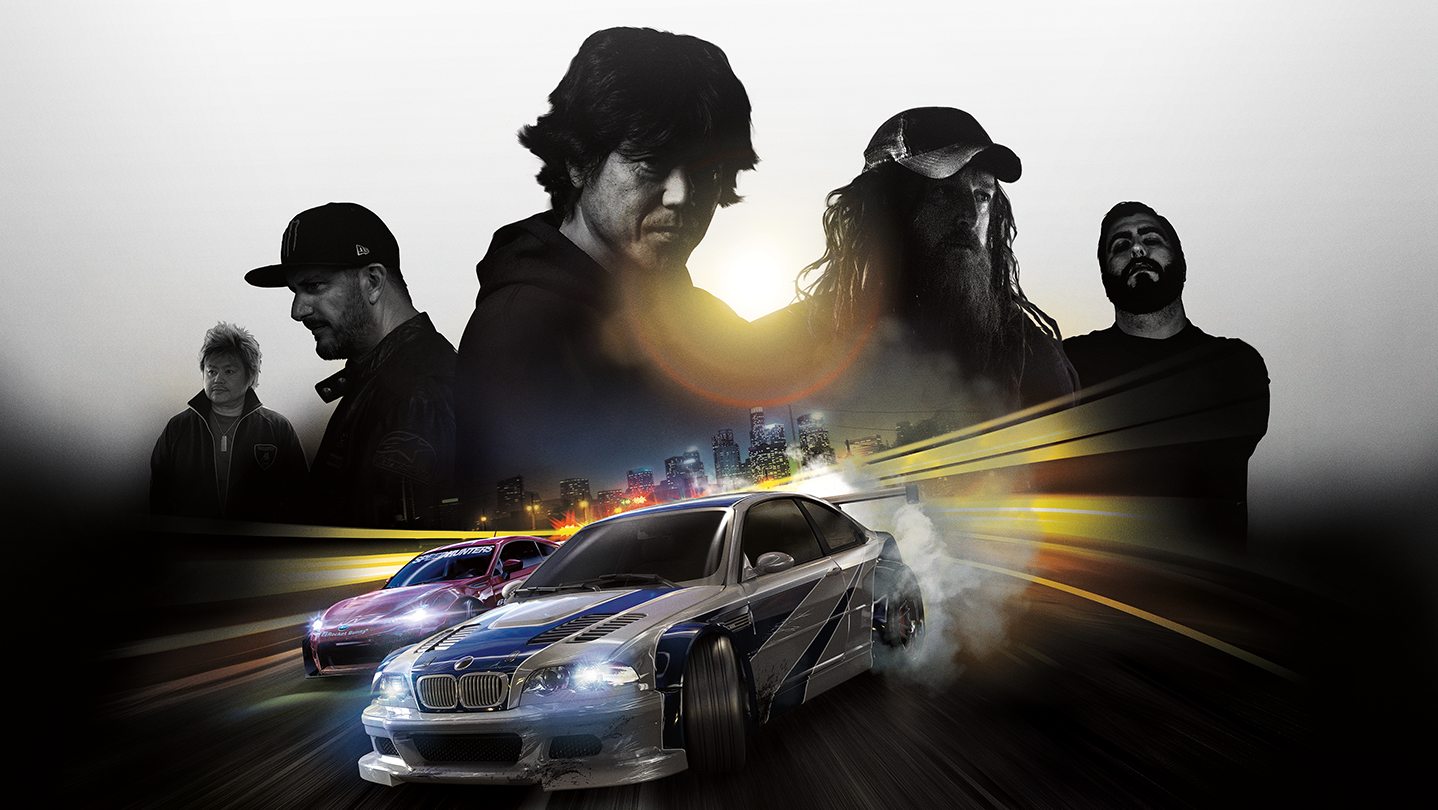
Beyond gameplay, the series cultivated an identity that blended motorsport with street culture. Soundtracks curated from hip-hop, electronic, and rock scenes defined eras and moods. Visuals leaned into bold color palettes, graffiti-inspired typography, and cinematic framing. The cars themselves became canvases for self-expression, with customization systems that let players turn stock vehicles into personal statements.
This fusion mattered. It meant the games weren’t only about winning races; they were about belonging to a scene. Players could recognize themselves in the aesthetics, whether through underground vibes or glossy supercar fantasies. That cultural fluency helped the franchise stay relevant even as tastes shifted.
Customization as Personal Narrative
Customization did more than change stats. It told stories. A scratched paint job suggested hard-fought victories. A carefully chosen livery signaled taste. Performance tuning invited experimentation, rewarding players who learned how handling, acceleration, and top speed interacted. The garage became a workshop of identity, and the track became the stage.
Open Worlds and the Freedom to Choose
As the series matured, open-world structures expanded the sense of possibility. Instead of moving from event to event through menus, players roamed cities, discovered shortcuts, and triggered encounters organically. This freedom reinforced the fantasy of being a racer living on the edge rather than a driver following a checklist.
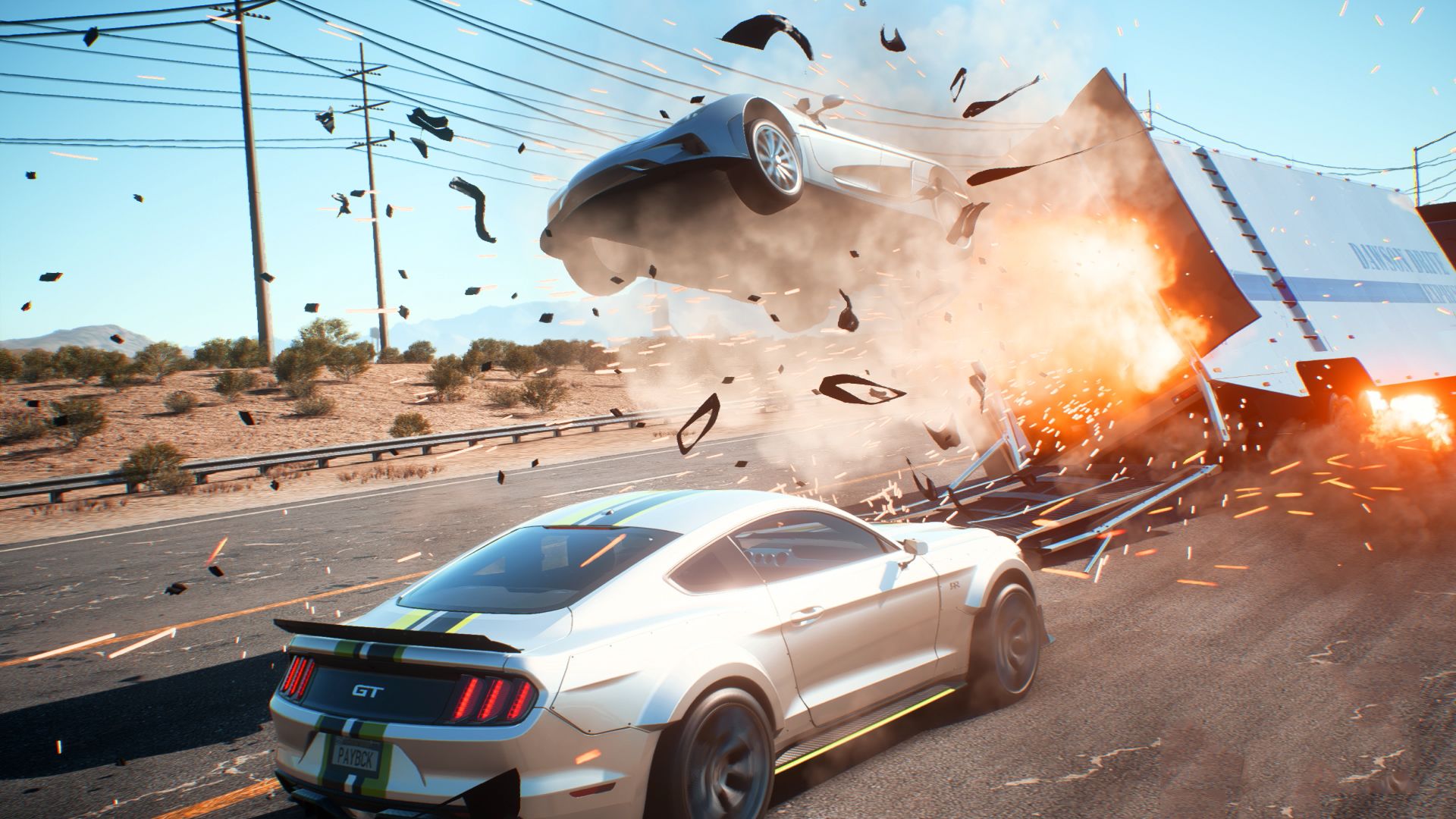
Open worlds also supported varied playstyles. Some players chased story missions; others hunted collectibles or perfected routes. Police chases could erupt unexpectedly, creating emergent moments that felt unscripted and personal. The city wasn’t just a backdrop—it was a character.
Evolution Through Experimentation
Longevity demands risk, and the franchise took many. Some entries leaned toward realism, tightening physics and emphasizing handling precision. Others doubled down on arcade spectacle, adding nitrous theatrics and exaggerated drifts. Storytelling waxed and waned, sometimes foregrounded through cutscenes, sometimes woven subtly into progression.
Not every experiment pleased everyone, but each informed the next step. Lessons accumulated: accessibility matters, but depth sustains engagement; style attracts attention, but control keeps players invested. The series learned when to simplify and when to specialize.
Learning from the Community
Player feedback shaped changes in handling models, progression systems, and online features. Competitive modes and social elements grew more prominent, reflecting how racing games thrive when shared. Time trials, leaderboards, and events created reasons to return, while updates refined balance and performance.
The Role of Story Without Overstaying Its Welcome
Narrative has always been a spice rather than the main course. Short arcs about rivalry, reputation, and redemption framed the action without smothering it. The best stories respected momentum, delivering context and motivation while letting driving remain the star.
Characters worked when they embodied archetypes—rivals, mentors, enforcers—without demanding emotional overinvestment. The focus stayed on the road, where stakes were communicated through speed and risk.
Sound Design and the Feeling of Velocity
Few elements communicate speed like sound. Engine notes shifted with upgrades, tires screamed through corners, and sirens injected urgency. Music adapted to pacing, elevating sprints and sustaining long pursuits. Together, these elements created a sensory loop that reinforced immersion.
The result was intuitive feedback. Players could sense when to brake, when to boost, and when to push. Good sound design turned split-second decisions into instincts.
Modern Challenges and Enduring Strengths
Racing games now compete with vast open-world titles and live-service ecosystems. Attention is fragmented. To stand out, a racer must deliver instant fun and lasting depth. The franchise’s strength lies in its clarity of purpose: deliver exhilaration first, refine systems second.
Modern entries continue to iterate on visuals, physics, and progression, mindful of nostalgia without being trapped by it. The core remains recognizable, even as details evolve.
Accessibility Meets Mastery
One reason the series endures is its layered design. Beginners can enjoy immediate thrills, while experienced players chase optimal lines and perfect builds. Difficulty curves reward learning without erecting barriers. That balance keeps communities diverse and active.
Why Need for Speed Still Matters
In a medium that constantly chases novelty, consistency can be radical. The franchise reminds us that a clear fantasy, executed with confidence, can outlast trends. It champions the joy of motion, the pride of customization, and the drama of pursuit.
As technology advances, the tools change, but the desire remains the same: to feel the rush of acceleration and the triumph of control. That desire is timeless, and it’s why Need for Speed continues to find new drivers ready to hit the gas.
Conclusion
The series has never been static, and that restlessness is its virtue. By honoring sensation, style, and player choice, it has navigated shifts in culture and technology without losing its identity. It invites players to race not just against opponents, but against their own limits, and to savor the journey as much as the finish line. In doing so, Need for Speed endures as a celebration of motion, creativity, and the simple thrill of going faster than yesterday.
FAQs
What makes the series different from realistic racing simulators?
It focuses on accessibility and exhilaration rather than strict realism, prioritizing fast-paced action, dramatic visuals, and intuitive handling that anyone can enjoy.
How important is car customization to gameplay?
Customization plays a central role by letting players shape performance and style, turning each vehicle into a personal expression that affects both looks and driving feel.
Do the games emphasize story or pure racing?
Racing always comes first, with light storytelling used to add motivation and atmosphere without slowing the momentum of play.
Why are police chases such a key feature?
Police pursuits add tension and unpredictability, transforming races into high-stakes escapes that test skill, timing, and nerve.
Is the franchise still relevant for new players today?
Yes. Its layered design welcomes newcomers with instant thrills while offering depth and mastery for long-time fans, keeping it engaging across generations.