Some video game franchises entertain you for a few hours and then quietly fade from memory. Others stay with you for years because they feel strange, challenging, and oddly unforgettable. Shin Megami Tensei belongs firmly in that second category.
If you have ever played one of these games, you probably know the feeling already. The dark atmosphere, philosophical choices, demon negotiations, and brutally difficult combat create an experience that feels completely different from most modern RPGs. Honestly, even longtime gamers sometimes struggle to describe the series properly because it blends so many unusual ideas together.
What makes it even more fascinating is how unapologetically bold the franchise has remained over the years. While many role-playing games aim for broad mainstream appeal, Shin Megami Tensei often embraces complexity, moral ambiguity, and uncomfortable questions instead.
And strangely enough, that’s exactly why fans love it.
This article explores the history, mechanics, themes, and lasting influence of Shin Megami Tensei, along with why the series continues attracting both hardcore RPG fans and curious newcomers looking for something deeper than traditional fantasy adventures.
Understanding Shin Megami Tensei
At its core, Shin Megami Tensei is a Japanese role-playing game franchise developed primarily by Atlus. The series focuses heavily on demon recruitment, strategic turn-based combat, philosophical storytelling, and post-apocalyptic settings.
Unlike many RPG franchises that revolve around straightforward heroism, Shin Megami Tensei often places players in morally gray worlds where no faction feels entirely right or wrong.
That ambiguity changes the tone dramatically.
A Different Kind of RPG
Traditional RPGs frequently follow predictable structures: defeat evil, save the world, become the hero.
Shin Megami Tensei tends to ask more uncomfortable questions instead. What happens when order becomes oppressive? Is freedom worth chaos? Can humanity survive without control?
The series rarely gives simple answers.
Demons as Allies
One of the franchise’s defining features is demon recruitment.
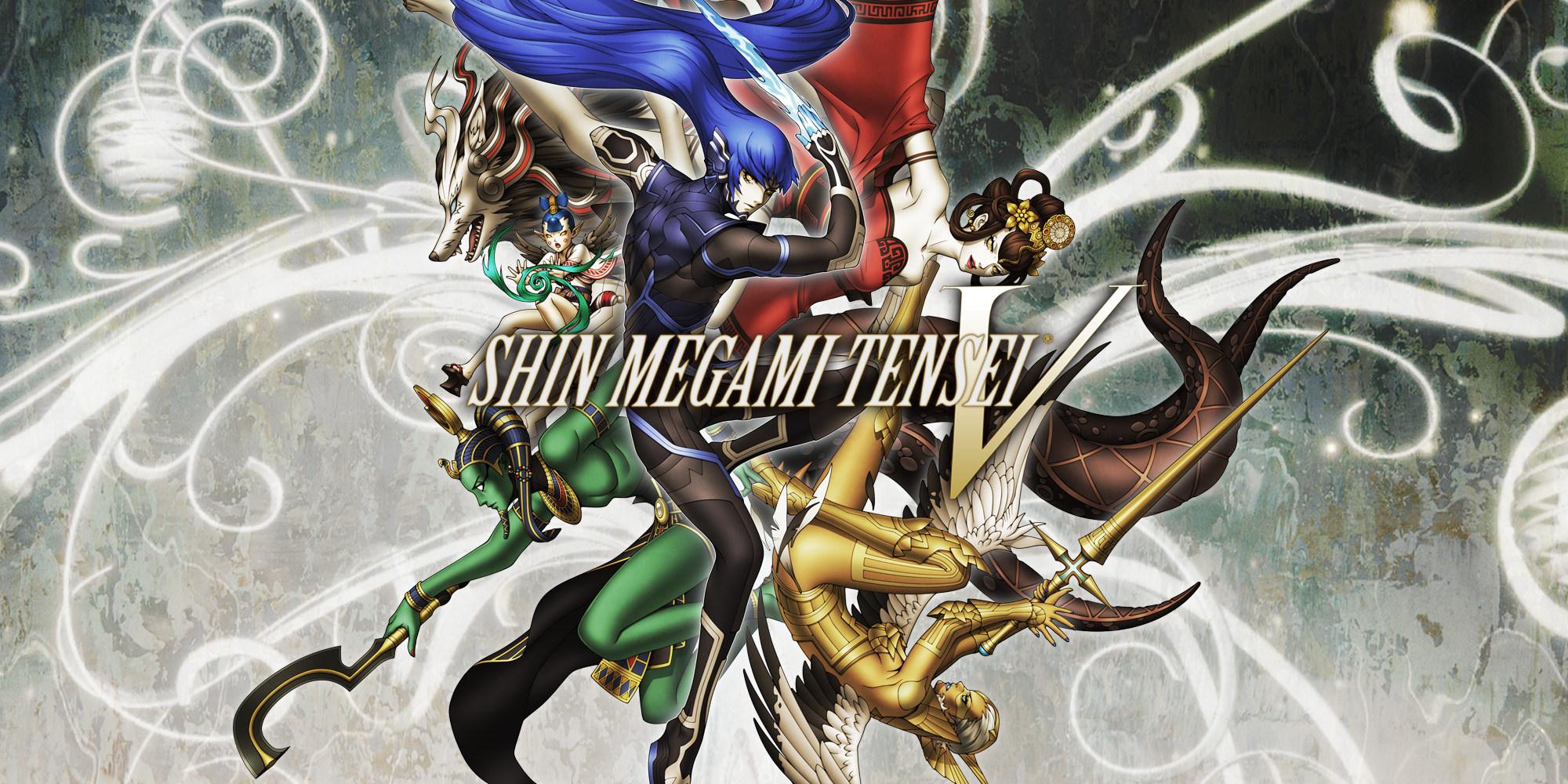
Rather than simply defeating enemies permanently, players can negotiate with demons and convince them to join their team. These creatures draw inspiration from mythology, religion, folklore, and legends from around the world.
Some are terrifying. Others are unexpectedly funny.
And honestly, the bizarre demon designs become part of the charm after a while.
The Origins of Shin Megami Tensei
The franchise began decades ago but gradually evolved into one of gaming’s most respected cult RPG series.
Early Beginnings
The original Shin Megami Tensei games appeared during the early era of Japanese role-playing games. Even then, the series stood apart because of its darker themes and mature storytelling.
While many RPGs focused on fantasy kingdoms and magical heroes, SMT explored urban collapse, supernatural conflict, and psychological tension.
It felt riskier.
Growth Into a Major Franchise
Over time, the series expanded into multiple subseries, including the enormously popular Persona 5 franchise.
Interestingly, many gamers discover Persona first before realizing it actually originated from the broader Shin Megami Tensei universe.
The two series share DNA, but their tones differ significantly.
How Shin Megami Tensei Works
Understanding the gameplay systems helps explain why the franchise remains so beloved.
Turn-Based Combat
Combat revolves around strategic turn-based mechanics.
Unlike simpler RPG systems where basic attacks dominate, Shin Megami Tensei rewards exploiting enemy weaknesses carefully.
The Press Turn System
One of the series’ most famous mechanics is the Press Turn system.
When players hit enemy weaknesses, they gain extra actions. However, enemies can do the exact same thing to you.
This creates intense battles where one mistake can completely reverse momentum.
It sounds stressful because… honestly, it sometimes is.
Demon Fusion
Demon fusion allows players to combine creatures into stronger forms.
This system becomes surprisingly addictive because experimentation constantly produces new combinations, abilities, and strategies.
Some players spend hours optimizing fusion chains alone.
Alignment Choices
Story decisions often affect alignment paths.
Players typically drift toward Law, Chaos, or Neutral philosophies depending on choices made throughout the game. Each path shapes story outcomes differently.
And none of them feel entirely comfortable.
Why Shin Megami Tensei Matters
There are plenty of RPG franchises in gaming, so why does Shin Megami Tensei continue standing out?
It Respects Player Intelligence
Some games overexplain everything constantly.
Shin Megami Tensei usually trusts players to figure things out independently. The stories often leave room for interpretation rather than forcing simple conclusions.
That subtlety feels refreshing.
It Embraces Difficulty
Modern gaming sometimes avoids frustration entirely, but SMT embraces challenge unapologetically.
Bosses punish careless decisions hard. Resource management matters. Preparation matters.
Victories feel earned because failure remains possible.
The Atmosphere Is Unique
Few RPG franchises create atmosphere quite like Shin Megami Tensei.
The music, urban environments, lonely tone, and apocalyptic imagery combine into something strangely immersive. Even quiet moments often feel tense.
There’s almost always a sense that the world could collapse completely at any moment.
Philosophical Themes Add Depth
The franchise explores religion, morality, identity, freedom, and control in ways most mainstream RPGs avoid entirely.
Not every player notices these themes immediately, but they shape the experience deeply.
Practical Uses and Appeal for Players
Different players enjoy Shin Megami Tensei for different reasons.
Strategy-Focused Gameplay
Gamers who enjoy tactical combat often love the series because battles require planning instead of button mashing.
Weakness exploitation becomes essential.
Storytelling Beyond Traditional Fantasy
Players tired of predictable fantasy storytelling may appreciate the darker, more philosophical approach.
The series feels more emotionally complex than many RPGs.
Collection and Customization
Demon recruitment and fusion systems create endless customization opportunities.
No two players build teams exactly the same way.
Replay Value
Different alignment paths encourage replaying games multiple times.
Choices genuinely affect story progression and endings.
Tips and Best Practices for Beginners
New players sometimes feel overwhelmed initially, but a few habits make the experience smoother.
Save Frequently
This cannot be stressed enough.
Shin Megami Tensei games punish mistakes aggressively sometimes. Saving often prevents major frustration later.
Learn Enemy Weaknesses
Weakness exploitation defines combat strategy.
Ignoring elemental systems usually leads to defeat sooner or later.
Experiment With Demon Fusion
Fusion is not optional background content.
Strong demon combinations dramatically improve survival chances.
Keep Balanced Teams
Over-specializing creates weaknesses.
A balanced party covering multiple elemental strengths works better overall.
Patience Matters
The games reward thoughtful progression more than rushing.
Trying to brute-force difficult encounters rarely works consistently.
Common Mistakes and Misconceptions
Despite the franchise’s popularity, several misconceptions still surround it.
“It’s Just Like Persona”
This is probably the biggest misconception.
While related, Shin Megami Tensei is generally darker, more difficult, and less socially focused compared to Persona games.
Assuming Grinding Solves Everything
Grinding helps somewhat, but strategy matters more.
Poor preparation can still destroy overleveled teams surprisingly quickly.
Ignoring Buffs and Debuffs
Many RPG players underestimate support abilities.
In SMT, buffs and debuffs often determine victory or defeat.
Expecting Traditional Heroes and Villains
The series avoids simple morality.
Players expecting clear good-versus-evil storytelling may initially feel surprised by the philosophical complexity.
Interesting Facts About Shin Megami Tensei
1. The Franchise Inspired Persona
The massively successful Persona series began as a spin-off connected to Shin Megami Tensei.
2. Demon Designs Draw From Global Mythology
The games include creatures inspired by myths and religions from many cultures worldwide.
3. Difficulty Became Part of the Series Identity
Fans often celebrate the franchise’s challenging gameplay as one of its greatest strengths.
4. Music Plays a Huge Role
The soundtrack style contributes heavily to the eerie atmosphere and emotional tension.
5. Alignment Systems Affect Endings
Player decisions influence major story outcomes significantly.
6. Tokyo Often Appears as a Setting
Many entries feature devastated or supernatural versions of Tokyo.
7. The Franchise Developed a Dedicated Cult Following
While not always mainstream, SMT built one of gaming’s most passionate fan communities.
Shin Megami Tensei and Modern Gaming
The gaming industry has changed enormously over the years, yet Shin Megami Tensei remains surprisingly relevant.
Part of that relevance comes from its refusal to simplify itself completely for broader audiences. While many franchises became more streamlined, SMT largely preserved its identity.
That consistency matters.
Players increasingly appreciate games willing to challenge them intellectually and mechanically instead of focusing entirely on accessibility.
At the same time, newer entries improved presentation, visuals, and quality-of-life features enough to welcome new fans without losing the franchise’s core identity.
Balancing those two goals is difficult, honestly.
Yet Shin Megami Tensei manages it better than many long-running series.
FAQs
What is Shin Megami Tensei about?
Shin Megami Tensei focuses on demon recruitment, strategic RPG combat, philosophical storytelling, and post-apocalyptic settings.
Is Shin Megami Tensei difficult?
Yes, the series is known for challenging gameplay that rewards strategy, preparation, and understanding enemy weaknesses.
Are Persona games connected to Shin Megami Tensei?
Yes. The Persona franchise originated as a spin-off connected to the larger Shin Megami Tensei universe.
What makes Shin Megami Tensei unique?
Its dark atmosphere, moral ambiguity, demon negotiation system, and strategic combat make it very different from traditional RPG franchises.
Is Shin Megami Tensei beginner-friendly?
Some entries are more approachable than others, but beginners can absolutely enjoy the series with patience and willingness to learn its systems.
Conclusion
Shin Megami Tensei remains one of gaming’s most fascinating RPG franchises because it refuses to follow easy formulas. It challenges players mechanically, emotionally, and philosophically in ways few series even attempt anymore.
The games can feel intimidating at first. The combat punishes mistakes, the stories avoid simple answers, and the atmosphere often feels heavy or unsettling. But strangely, that complexity becomes part of the experience’s lasting appeal.
There’s real satisfaction in overcoming difficult battles, building powerful demon teams, and navigating morally complicated worlds where every choice carries weight.
While gaming trends continue shifting toward faster and more accessible experiences, Shin Megami Tensei proves there is still strong demand for thoughtful, challenging RPGs that trust players enough to let them struggle, think, and interpret things independently.
And honestly? That willingness to remain different might be exactly why the franchise continues standing out after all these years.