There are few games that challenge the player’s expectations as boldly as this one. Instead of fast reflexes or mechanical mastery, it asks for patience, empathy, and reflection. It unfolds like a dense novel, layered with political tension, personal collapse, and moments of unexpected tenderness. What begins as a detective story quickly becomes something far more intimate: a study of a broken mind navigating a broken city.
From its opening moments, the experience invites you to slow down and listen. Conversations stretch, thoughts argue with one another, and the environment seems alive with memory. Every choice carries weight, not because of rewards or punishments, but because it shapes who you become. This is not a power fantasy. It is an examination of vulnerability, regret, and the fragile hope of reinvention.
A City That Feels Lived In
Revachol is not just a setting; it is a presence. Its streets tell stories of revolution, defeat, and lingering resentment. The city wears its scars openly, from crumbling buildings to the weary faces of its residents. Each district reflects a different aspect of its troubled history, and every character you meet seems shaped by forces larger than themselves.
The environment communicates without relying on spectacle. Snow falls quietly. Neon signs flicker against the gray. The silence between conversations can feel as heavy as the words themselves. This careful restraint allows the world to feel grounded and authentic, even as it explores surreal ideas. You are not simply passing through a backdrop; you are inhabiting a place that remembers what has been lost.
The World of Disco Elysium
At the heart of Disco Elysium lies a radical rethinking of what a role-playing game can be. Traditional combat systems are stripped away, replaced by dialogue, internal debate, and psychological risk. Progress is measured not in enemies defeated, but in truths uncovered and personal boundaries crossed.
The protagonist begins with almost nothing: no memory, no confidence, and no clear sense of self. This blank slate is not empowering in the usual sense. Instead, it is frightening. You must reconstruct an identity piece by piece, often through uncomfortable realizations. The game refuses to shield you from failure. Embarrassment, self-doubt, and moral compromise are all part of the journey.
The Mind as a Battlefield
One of the most distinctive features is the way the protagonist’s mind is externalized. Thoughts speak. Emotions interrupt. Skills argue among themselves, each pushing a different interpretation of reality. Logic demands clarity, while empathy urges compassion. Authority seeks control, while insecurity whispers caution.
These inner voices are not simple stat bonuses. They are characters in their own right, each with desires and blind spots. When you invest in one aspect of the psyche, it grows louder, sometimes helpful, sometimes destructive. This system turns introspection into gameplay, forcing you to confront how different parts of yourself compete for dominance.
Dialogue That Respects Intelligence
Conversations form the backbone of the experience. They are long, nuanced, and often unpredictable. Characters do not exist merely to dispense information. They challenge your assumptions, resist your questions, and sometimes refuse to cooperate at all.
What makes the writing remarkable is its trust in the player. It does not simplify complex ideas or shy away from political and philosophical debate. Humor sits comfortably beside tragedy, and moments of absurdity can reveal deeper truths. Even silence has meaning, reminding you that not every problem can be solved with the right words.
Failure as a Narrative Tool
In many games, failure is a setback to be avoided. Here, it is an essential part of storytelling. A failed check might lead to humiliation, injury, or emotional collapse, but it can also open unexpected paths. Some of the most memorable moments arise not from success, but from things going terribly wrong.
This approach encourages experimentation and honesty. You are not punished for playing imperfectly; you are rewarded with richer characterization. The game understands that growth often comes from mistakes, and it builds a narrative structure that embraces uncertainty rather than fearing it.
Political Tension Without Easy Answers
The story is deeply political, but it refuses to preach. Ideologies are presented as lived experiences rather than abstract theories. You encounter people shaped by capitalism, communism, nationalism, and nihilism, each carrying their own justifications and contradictions.
Rather than asking you to pick a side, the game invites you to explore the consequences of belief. You can adopt strong positions or remain uncertain, but neither path offers simple validation. The writing acknowledges the complexity of social struggle and the emotional cost of clinging too tightly to any single worldview.
Art Direction and Atmosphere
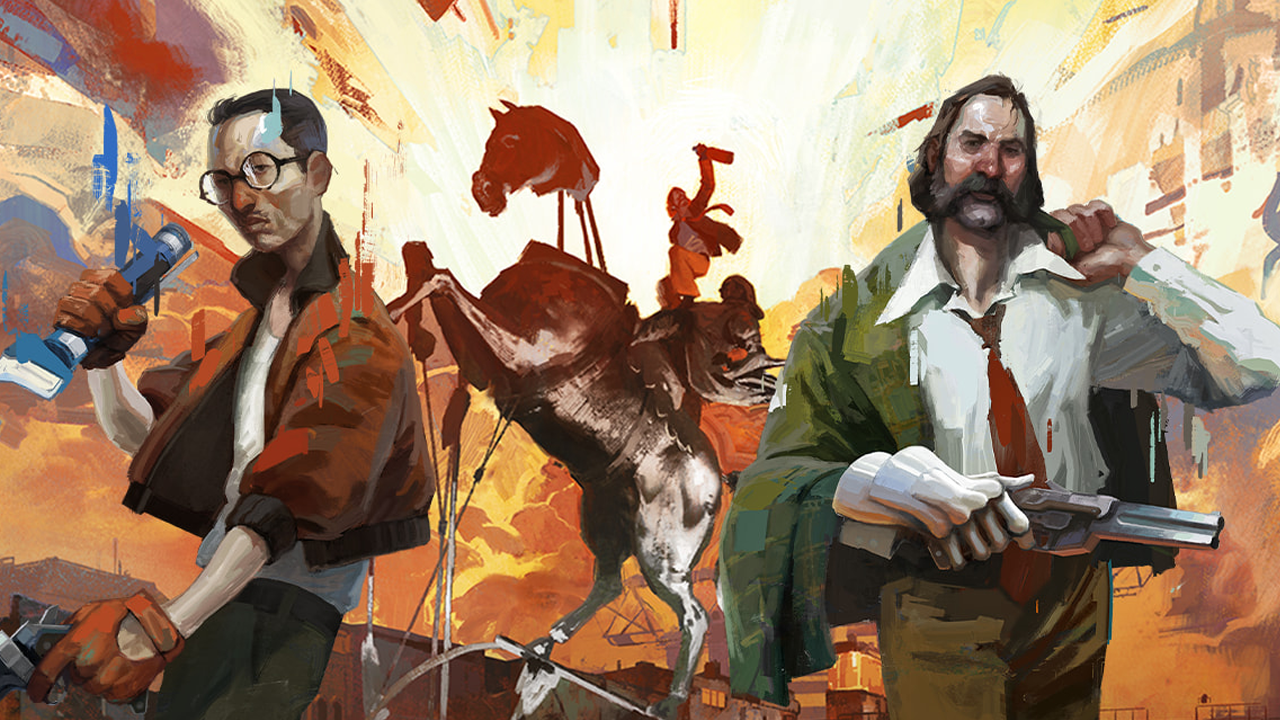
Visually, the game adopts a painterly style that feels both timeless and fragile. Characters appear almost unfinished, as if they might fade away at any moment. This aesthetic reinforces the themes of impermanence and decay, while also giving the world a strange beauty.
Sound design plays an equally important role. Music drifts in and out, often melancholic, sometimes hopeful. Ambient noise fills the spaces between dialogue, grounding the experience in sensory detail. Together, these elements create an atmosphere that lingers long after the screen goes dark.
Time, Consequence, and Choice
Every decision matters, not because it leads to dramatically different endings, but because it shapes your understanding of events. Time moves forward regardless of your readiness. Characters remember how you treated them. Words spoken in anger or kindness echo later in subtle ways.
This sense of continuity gives weight to even small actions. Helping a stranger, ignoring a plea, or choosing silence can all influence how the story unfolds. The game trusts that players will care about these nuances, and it rewards attentiveness with emotional depth.
Identity and Reinvention
At its core, the narrative is about identity. Who are you when memory is stripped away? Are you defined by past mistakes, or can you choose to become someone else? The protagonist’s struggle mirrors universal questions about responsibility, forgiveness, and self-acceptance.
Reinvention is possible, but it is never easy. Growth requires confronting uncomfortable truths and accepting that some damage cannot be undone. This honesty gives the story its power. It does not offer false redemption, but it allows for quiet moments of grace.
Why Disco Elysium Resonates
The lasting impact of Disco Elysium comes from its willingness to be vulnerable. It does not hide behind spectacle or convention. Instead, it invites players into a messy, complicated inner world and asks them to sit with discomfort.
By prioritizing narrative depth over mechanical complexity, it creates an experience that feels personal. Players often see fragments of themselves reflected in the protagonist’s doubts and desires. This connection transforms the game from entertainment into something closer to shared reflection.
A Conclusion Rooted in Humanity
In the end, Disco Elysium stands as a reminder that games can be spaces for introspection as well as play. It proves that stories about failure, uncertainty, and fragile hope can be just as compelling as tales of heroism.
By trusting its audience with complex ideas and emotional honesty, it achieves something rare. It does not tell you who to be or what to believe. Instead, it offers a mirror and asks you to look closely. That quiet invitation is what makes the journey unforgettable, and why it continues to resonate long after the final conversation fades into silence.