When the title 911 Prey appears in conversation, it evokes a chilling mix of dread, tension, and adrenaline. This is more than just another horror game—it’s a silent scream in a dark house, a desperate fight for freedom, and a puzzle-laden nightmare brought to life. In this immersive article, we’ll explore the story, mechanics, atmosphere, and cultural appeal of 911 Prey, tracing its path from indie-horror niche to a streaming favourite.
The Premise: Entering the World of 911 Prey
Imagine waking up locked in a cage inside a dilapidated cabin. The muffled roar of distant footsteps echoes down endless hallways. Somewhere, someone watches. You realise you’ve become the hunted. That is the opening of 911 Prey, and from that moment, every decision becomes critical.
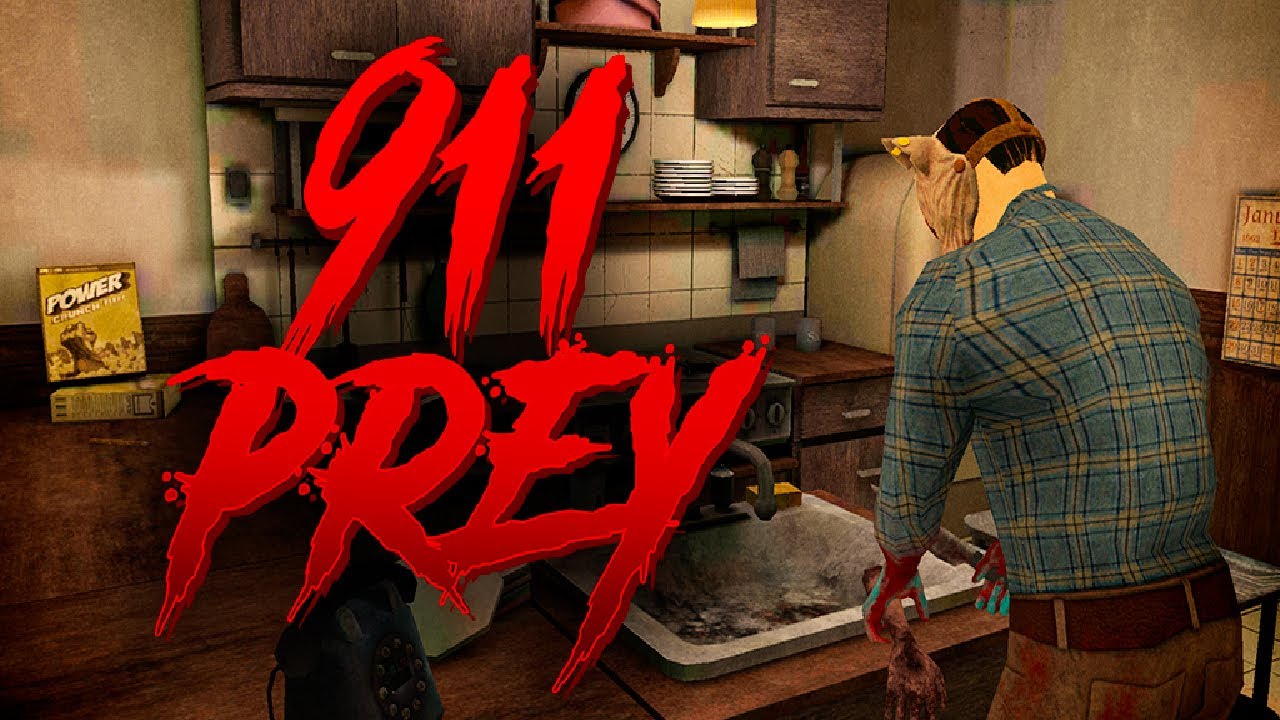
Set in a twisted house of horrors, you play as a teenager abducted by a masked cannibalistic maniac. Your past, your freedoms, your identity—they’re all stripped away. Your only option: escape. Hide. Outsmart. Survive. This foundational premise sets the stage for everything that follows: hide-and-seek mechanics, atmospheric puzzles, tense chases, branching endings. And while the game may sound simple, its emotional impact is profound.
Key elements of the premise include:
- Immediate vulnerability: you begin in a locked cage, unarmed, exposed.
- A dynamic adversary: the maniac doesn’t merely chase, he checks and watches.
- Environmental storytelling: hidden notes, clues about the monster’s motives, and the dark history of the house all deepen the lore.
- Multiple endings: choices matter. The 911 Prey experience emphasizes that survival is not guaranteed—it must be earned.
By entering this world, the player is asked to engage not just with the jump-scares, but with the internal tension of being prey. And that core is what elevates the horror.
Mechanics and Gameplay: How 911 Prey Pulls You In
The brilliance of 911 Prey lies in how it fuses simple mechanics with high tension. The game doesn’t rely on complicated controls or flashy weapons; it relies on stealth, thinking, and heart-in-throat moments.
Hide-and-Seek Horror
You’re not equipped to fight; you’re just a frightened teenager. You must crouch, hide in closets, sneak down hallways, and cover your tracks. If the maniac senses you’ve left evidence—an open door, a missing item—you’ll trigger his investigation. That moment is electric: the world changes, your heart pounds, and you must act.
Puzzle and Escape Room Elements
The house is full of puzzles: locked doors, hidden items, cryptic notes. Sometimes you pick up a key; other times you pick up dread. Clues buried in the environment force you to slow down—just enough to build anticipation—and then sprint when you realise time’s almost up. These puzzles aren’t mere filler—they enforce the idea that survival depends on your wits.
Branching Outcomes & Replay Value
One of the standout features for 911 Prey is the multiple endings. Your actions—how quickly you move, how much you explore, how many clues you uncover—shape your final outcome. This adds replay value and emotional weight: success feels earned; failure stings.
Audio, Atmosphere & Immersion
Sound design is critical in 911 Prey. In the dead-quiet corridor you hear an echo. A distant cough. A sudden thump. These sounds anchor you in fear. Visually, the house is decaying, the lighting oppressive, the shadows lengthening. The game doesn’t rely on gore alone; it uses ambience to keep you uneasy.
In applying all of these mechanics, 911 Prey doesn’t just scare you—it keeps you engaged intellectually, emotionally, and physically. You don’t just play it—you live it.
Artistic & Story Themes: What 911 Prey Tries to Say
Beyond the scares and the escape room mechanics, 911 Prey touches deeper themes about fear, captivity, control, and freedom.
Fear of Being Small in a Big Monster’s World
In 911 Prey you are powerless. The cannibal figure towers over you, not just physically but psychologically. He hunts, you hide. The imbalance reminds us of real fears: being vulnerable, being unseen, being at the mercy of another.
The Value of Choice and Agency
Each puzzle solved, each decision made, returns a kind of agency to the player. Initially stripped of power, you gradually reclaim it. The multiple endings underline that choice matters. You are not just a victim of circumstances—you can steer your own destiny.
Isolation and Environment as Antagonist
The setting itself becomes a character in 911 Prey. The house, the cages, the locked doors—they’re not passive theatre, they’re active threats. That the setting is oppressive and labyrinthine reinforces a theme: sometimes, you are your own prison. Breaking out means breaking your mindset.
Survival and Reflection
When the final credits roll, the adrenaline subsides, and you’re left thinking: what happened? Did I survive because I was smart, lucky—or both? The game doesn’t hand over easy answers. It asks you to reflect on your performance and your mindset. In that sense, it leaves a lingering echo, not just a jump-scare.
These thematic layers elevate 911 Prey from a typical horror game to an experience with emotional and psychological texture.
Reception, Impact and Why People Keep Playing 911 Prey
Since its release, 911 Prey has gathered attention—not as a blockbuster, but as an indie title that punches above its weight. Players appreciate it for its brevity, tension, and smart design rather than for high-end budgets.
Some of the reasons it resonates:
- Compact length: Its relatively short runtime makes it accessible. Some may finish it in an afternoon, but the experience lingers.
- Speedrunning appeal: The branching mechanics and multiple endings give it affinity with speed-run culture—players chase the best outcome, the fastest escape.
- Cross-platform accessibility: Available on multiple platforms means more players can try it, widening its reach and community discussion.
- Streaming and social media: Its moments of panic, hide-and-seek tension and unpredictable outcomes make it perfect for live reaction videos—bringing more attention.
- Low overhead: Because players don’t expect cutting-edge AAA polish, the game is judged on atmosphere and gameplay rather than megabudgets—this can work in its favour.
However, the reception is not uncritical. Some players and reviewers feel the game is too short, or that certain rooms or puzzles appear under-used. Others point out that while the fear is present, it isn’t sustained at the highest levels throughout. But these criticisms tend to come from players expecting more traditional horror-game length or complexity—when the title’s strength is its tightness, not expansiveness.
The bottom line: 911 Prey has carved a niche as a concise, high-tension horror experience—one that rejects filler and focuses on the core thrill of escape.
Tips for Playing and Getting the Most from 911 Prey
If you’re about to dive into 911 Prey, here are some tactical and mindset tips to enhance your experience and increase your chances of success:
Keep Your Eyes Open for Clues
The house isn’t just creepy—it is telling you something. Read notes. Search drawers. Examine objects. Some puzzles are subtle; missing a clue can force you into back-tracking.
Cover Your Tracks
Whenever you open a door or trigger something, remember: the antagonist might check. Close cabinets. Hide your presence. A careless step can lead him to you.
Use Sound to Your Advantage
Footsteps, ambient creaks, locked doors—sound signals are your warning system. Use headphones if you can; the immersion doubles when you sense movement behind you before you see it.
Be Mindful of Time and Resources
You don’t have infinite lives. Some paths may force you into bad endings. If you’re unsure of a decision, save (if allowed) or proceed cautiously.
Since 911 Prey emphasizes multiple endings, you may want to replay for different outcomes—that gets you more value and reveals hidden areas.
Embrace the Tension
This is not a run-and-gun shooter. It’s about being hunted. Let yourself feel vulnerable. Let the fear stay with you. Sometimes pausing, catching your breath, and then moving is better than charging ahead.
With these hints, your journey through 911 Prey becomes not just a game, but a personal challenge in fear, strategy, and survival.
The Future of Horror in Games Through the Lens of 911 Prey
What does 911 Prey tell us about where horror games might go next? Its success underlines a few emerging trends:
Short-form Horror Experiences
Not every game needs 30+ hours. Tight, intense experiences like 911 Prey show that a focused horror narrative can deliver impact in 1–3 hours. This is ideal for streaming, mobile play, and players with less time.
Hybrid Escape Room-Gaming
By mixing escape-room mechanics with full horror atmosphere, 911 Prey bridges two genres: puzzle and survival. Future horror games might lean more into interactive environments rather than pure shock.
Player Choice and Branching Stories
The multiple-ending format seen here gives players agency—not just in how fast they escape, but in how they shape their path. Horror games where player decisions meaningfully affect outcome are increasingly attractive.
Minimalist Yet Immersive Design
AAA budgets are great, but sometimes what matters is consistent design, mood, and sharp focus. 911 Prey shows that indie titles can hold their own by perfecting tension and atmosphere rather than scale.
As horror evolves, games like 911 Prey hint at experiences that are personalized, emotionally vivid, and tightly constructed.
Conclusion
In the lonely crawl out of that locked cage, with footsteps behind you, puzzles ahead, and only one true path to freedom—911 Prey doesn’t just entertain; it unsettles. It reminds you how powerless you can feel in the face of fear, how small decisions can determine survival, and how isolation amplifies dread.
The title might fade once the credits roll, but the memory remains. The house door closing behind you, the echo in the corridor, the sudden “click” when a lock opens—all linger. That’s where the power of 911 Prey lives: not in what it shows you, but in how it makes you feel.
So go in prepared. Feel the corners. Listen for the steps. Solving puzzles isn’t just about escape—it’s about reclaiming yourself. When you reach the final exit, you’ll understand why being the hunted can teach you more about your own courage than being the hunter ever could.
In the end, the monster doesn’t chase you. The silence does. The tension does. And you? You survive. You escape. And you never forget the night you were prey.