In a world built with walls, railings, and rooftops, there exists an art form that transforms barriers into pathways and obstacles into opportunities — this is parkour. Within this movement-driven discipline, one concept stands out as both a metaphor and a tool: the parkour block. It represents not just the physical training apparatuses athletes use, but also the mental barriers that practitioners learn to overcome.
From urban streets to purpose-built gyms, the story of parkour block traces humanity’s deep desire to move freely, creatively, and fearlessly through any environment.
What Is Parkour?
To understand the meaning of a parkour block, one must first understand parkour itself. Parkour is a physical discipline that originated in France in the late 1980s and early 1990s, popularized by David Belle and Sébastien Foucan. Derived from military obstacle course training known as parcours du combattant, parkour focuses on efficient, fluid movement from one point to another using only the human body and the surrounding environment.
Unlike gymnastics or competitive sports, parkour isn’t about medals or scores. It’s about freedom — the ability to move gracefully over walls, vault over railings, leap across gaps, and adapt to the world around you. Practitioners, known as traceurs (male) or traceuses (female), train their bodies and minds to overcome physical and psychological obstacles alike.
The Role of the Parkour Block
Building Foundations
The parkour block is both a literal and symbolic element of parkour training. Literally, it refers to the sturdy wooden or concrete boxes found in parkour gyms or training grounds. These blocks are designed to simulate the kinds of obstacles one might find in an urban environment — walls, barriers, ledges, and platforms.
Symbolically, it represents a foundational aspect of learning: each block is a stepping stone toward mastering more complex movements. Just as a musician practices scales, a traceur practices vaults, jumps, and rolls using blocks of varying heights and distances.
Training with a parkour block helps practitioners refine their balance, coordination, and precision. It’s where fear meets focus — the controlled space where movement becomes art.
From Concrete Jungles to Training Sanctuaries
Parkour was born in the streets, but as the discipline evolved, practitioners sought safer and more versatile environments to train. Early traceurs practiced on rooftops, staircases, and walls, relying solely on what the city provided. But as parkour gained global popularity, dedicated indoor gyms emerged.
Inside these gyms, the parkour block became the central piece of equipment. Trainers could rearrange blocks to simulate real-world environments, allowing students to experiment safely while still experiencing challenge and risk. These modular blocks could be stacked, connected, or tilted, enabling infinite configurations for practice.
Some blocks are built from durable plywood with rubberized surfaces for grip, while others are made from reinforced foam for beginners to land on safely. The adaptability of the parkour block mirrors the adaptability that parkour demands from its practitioners — a perfect harmony of design and philosophy.
The Philosophy Behind the Block
Overcoming Obstacles — Inner and Outer
Every traceur learns quickly that parkour is not just about physical ability but also about mindset. When you stand before a high wall or a wide gap, doubt often whispers louder than logic. The parkour block becomes a tool not only for building strength and agility but also for conquering those internal barriers.
Each jump, vault, or climb represents an act of courage — a declaration that fear will not dictate motion. Over time, what once seemed impossible becomes achievable, and what was once terrifying becomes routine.
In this way, the parkour block teaches resilience. It reminds practitioners that every obstacle, whether made of wood or of worry, can be overcome through patience, repetition, and determination.
The Evolution of Parkour Training
From Improvisation to Innovation
When parkour first took hold in France, training was improvised. Practitioners used public structures — walls, staircases, railings — and often faced criticism for trespassing or damaging property. As the community grew, so did the need for safer, purpose-built environments.
This led to the birth of specialized equipment like the parkour block. Today, gym designers and parkour professionals collaborate to build modular systems that allow creativity without risk. These setups can mimic rooftops, fences, alleyways, and urban plazas.
Modern parkour gyms also integrate digital tools, such as motion-tracking cameras and video feedback, allowing traceurs to refine their technique with precision. Yet, the humble parkour block remains at the heart of it all — a reminder of the discipline’s roots in simplicity.
Techniques Perfected on the Parkour Block
Training with blocks allows practitioners to focus on the fundamentals:
1. Vaults
Vaults involve using the hands and arms to propel the body over obstacles. Common vaults practiced with blocks include the Kong vault, lazy vault, speed vault, and dash vault. These techniques combine explosive power with control.
2. Precision Jumps
Precision is everything in parkour. Practitioners leap from one block to another, landing with balance and stability. This exercise develops spatial awareness, leg strength, and body control.
3. Cat Leaps and Wall Runs
A parkour block can simulate a ledge or wall, allowing traceurs to practice clinging, climbing, or running up vertical surfaces. These skills are essential for navigating complex environments.
4. Rolls and Landings
Learning to land safely is fundamental. Soft-surfaced blocks help athletes master rolls that disperse impact energy, protecting the joints and spine.
5. Flow Drills
Flow — the seamless connection between movements — is the soul of parkour. By arranging blocks creatively, practitioners can design continuous sequences, blending jumps, vaults, and climbs into one fluid motion.
The Mental Benefits of Parkour Training
While physical conditioning is an obvious benefit, the parkour block offers something deeper: a transformation of the mind. Training challenges practitioners to remain calm under pressure, think quickly, and adapt fluidly to unexpected situations.
Parkour teaches that there is always another way — an alternate route, a different approach, a second chance. The lessons learned on the blocks translate effortlessly into everyday life. Whether it’s problem-solving, overcoming anxiety, or building self-confidence, the mindset of a traceur extends beyond the gym walls.
Parkour in Popular Culture
From blockbuster films to video games, parkour has leaped into mainstream consciousness. Movies like District B13 and Casino Royale showcased thrilling chase sequences that brought parkour’s elegance and daring to global audiences.
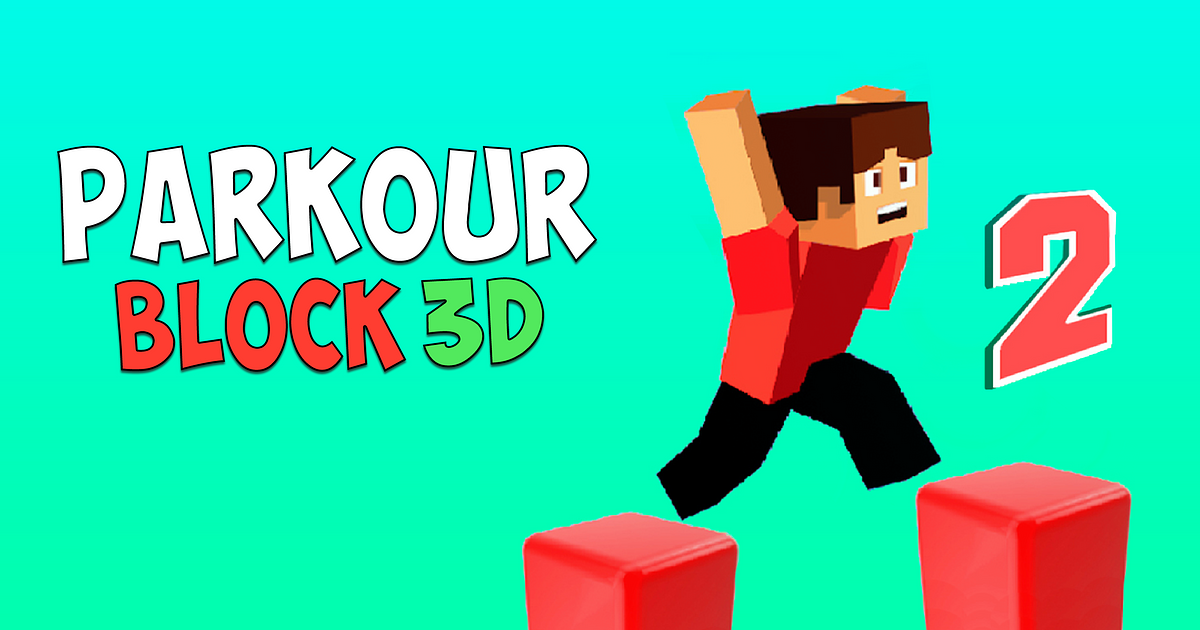
In gaming, the concept of a parkour block takes on a digital twist. Games like Minecraft feature parkour challenges where players jump from block to block, testing their timing and coordination in virtual landscapes. While the medium is different, the principle remains the same — precision, flow, and mastery through repetition.
This cultural crossover has inspired new generations to explore parkour both virtually and physically, blurring the lines between play and performance.
Designing a Parkour Space
Creating a training environment requires more than just random blocks and walls. Every parkour block must be positioned with purpose, ensuring safety while encouraging exploration. Professional parkour gyms follow principles of ergonomics, biomechanics, and safety engineering.
Good design balances challenge and accessibility. Beginners need lower, softer blocks that build confidence, while advanced athletes crave complexity — asymmetrical setups, angled surfaces, and gaps that test their limit
The ideal parkour space feels like a playground for adults: a place where creativity and movement thrive side by side.
Parkour as a Lifestyle
Beyond the athleticism, parkour has evolved into a lifestyle philosophy. Practitioners often speak of “flow” — a state of mind where body and environment move in harmony. This awareness cultivates mindfulness, patience, and humility.
The parkour community emphasizes respect for public spaces, collaboration over competition, and self-improvement rather than superiority. It’s not unusual to see experienced traceurs mentoring beginners, guiding them over their first block jumps or helping them perfect a roll.
Parkour teaches us to see the world differently. Where others see walls, a traceur sees opportunity; where others stop, a traceur begins.
The Future of Parkour and Training Blocks
As parkour continues to gain recognition — even being considered for inclusion in global sporting events — training equipment evolves accordingly. Engineers and designers are now experimenting with smart blocks equipped with sensors that record jump heights, force impact, and movement patterns.
Portable parkour blocks are also becoming popular, allowing practitioners to set up training spaces anywhere, from backyards to community centers. The democratization of training tools ensures that anyone with passion and persistence can practice parkour safely and creatively.
Moreover, the philosophy of adaptability continues to inspire other fields — architecture, robotics, and even education — proving that the principles learned on a parkour block can shape how we approach challenges across disciplines.
H2: Mastering Movement with the Parkour Block
True mastery of parkour is not measured by how far or high one can jump, but by the grace and control with which one moves. The parkour block serves as a trusted companion on this journey — a silent teacher that reveals the delicate balance between power and precision.
As athletes progress, they learn to flow with intention, merging strength with creativity. Each vault over a block becomes a metaphor for life’s transitions: the leap between comfort and courage, between fear and freedom.
Whether in the confines of a gym or the vastness of a cityscape, the lessons remain timeless — to move with purpose, to adapt without hesitation, and to rise every time you fall.
The Global Community
Today, parkour is practiced in nearly every corner of the world. From the rooftops of Tokyo to the parks of Paris and the alleys of São Paulo, a shared language of movement connects people beyond borders.
Communities gather to train, exchange techniques, and celebrate the art of motion. Events like Art of Motion and FIG Parkour World Cup bring together the best traceurs, showcasing creativity, courage, and control.
Amidst this global network, the humble parkour block remains a universal symbol — representing both the physical and mental foundations upon which the discipline stands.
H3: Life Lessons from the Block
Every block tells a story — of falls and recoveries, of fear faced and faith found. The repetition of training mirrors the rhythm of life itself. You fail, you adapt, you try again. Eventually, what once required effort becomes effortless.
Parkour teaches persistence, respect for space, and deep self-awareness. The body learns movement; the mind learns patience. Together, they create a philosophy that extends far beyond the physical.
Conclusion
At its core, the parkour block is more than an object. It’s a metaphor for life’s challenges — solid, unmoving, yet surmountable. It invites us to reimagine our relationship with obstacles, urging us to move not around them but through them.
Every time a traceur vaults over a block or lands a perfect jump, it’s a victory not just of muscle but of mindset. The essence of parkour lies in transformation — turning barriers into bridges, and uncertainty into motion.
So, whether you’re an athlete, an artist, or simply someone seeking new ways to navigate the world, remember this: life is full of blocks. But with courage, creativity, and a bit of flow, every block becomes a path forward.