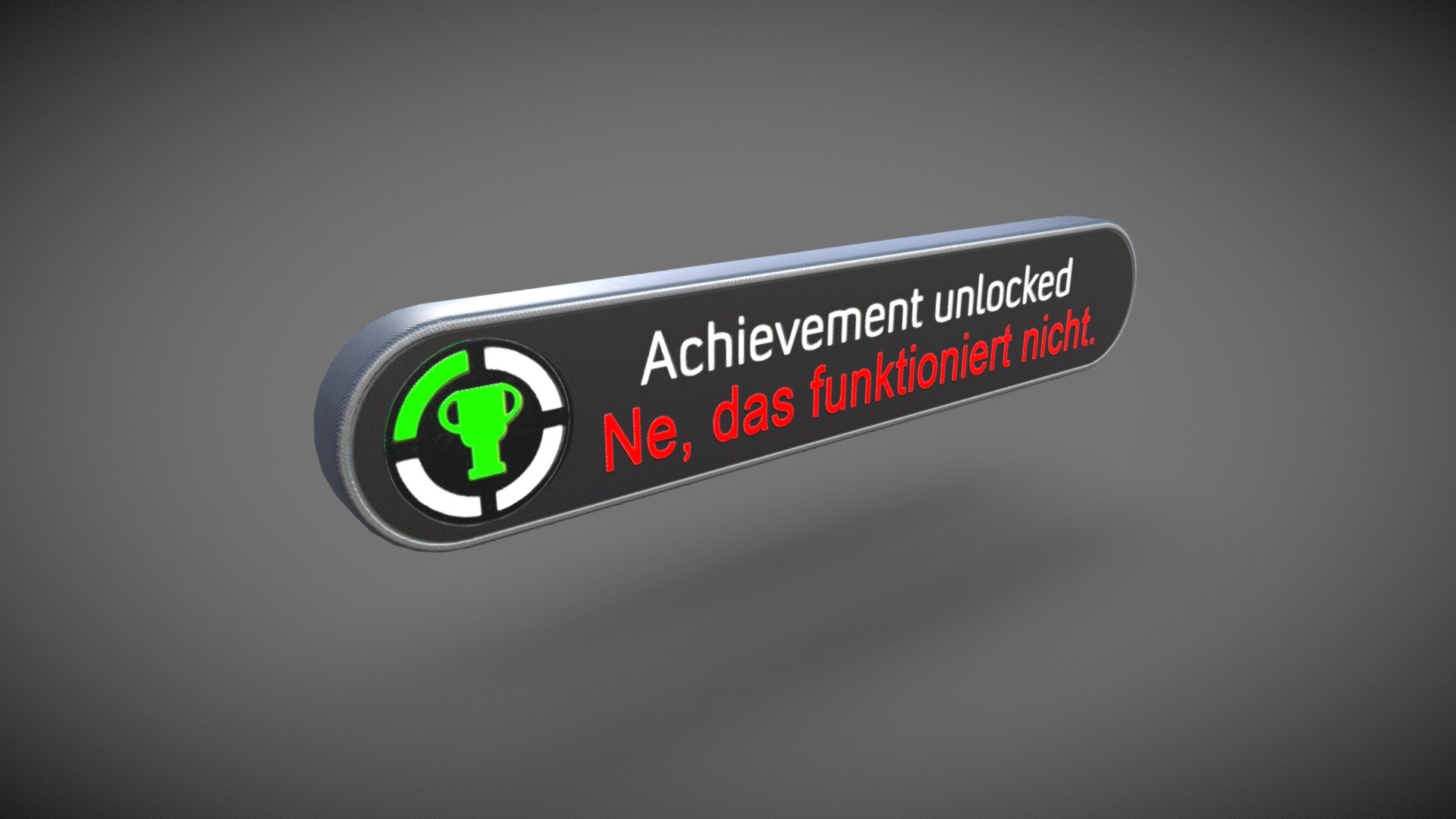
I still remember the first time I saw those words flash across a screen: Achievement Unlocked. It wasn’t even for anything impressive—just completing a basic level in a game. But somehow, it felt… satisfying. More than it probably should have. That tiny moment of recognition stuck with me, and honestly, it still does.
Funny thing is, this idea has gone way beyond gaming. These days, achievement unlocked pops up in everyday life—finishing a task, hitting a goal, even surviving a tough Monday. But why does it resonate so much? Why do we care about these little milestones?
What Does Achievement Unlocked Really Mean?
At its simplest, Achievement Unlocked is a notification. A signal that you’ve done something noteworthy within a system—usually a game.
But if you look a little closer, it’s more than just a pop-up.
It’s validation.
It tells you: Hey, you did something. That mattered.
And whether it’s earning a badge, completing a challenge, or reaching a milestone, that small acknowledgment can feel surprisingly powerful.
The Origins in Gaming
The concept became widely popular with gaming platforms that introduced achievement systems. Players could unlock rewards for completing specific tasks—some easy, some ridiculously hard.
And here’s the thing: not all achievements were necessary. Many were optional. But that didn’t stop people from chasing them.
Actually, it made them more appealing.
Why Achievement Unlocked Feels So Good
There’s a bit of psychology at play here. Okay, maybe more than a bit.
The Brain Loves Rewards
Every time you unlock an achievement, your brain releases a small burst of dopamine—the “feel good” chemical.
It’s the same system that responds to winning, completing goals, or even checking off items on a to-do list.
So when you see Achievement Unlocked, your brain quietly celebrates.
Clear Goals, Clear Feedback
In real life, progress can feel vague. You work hard, but there’s no immediate signal that you’re moving forward.
Achievements fix that.
They give you a clear objective—and a clear reward when you reach it. That clarity is oddly motivating.
A Sense of Progress
Even small achievements contribute to a bigger picture.
You might not notice it at first, but over time, those little wins add up. And suddenly, you’re not just playing—you’re progressing.
Achievement Unlocked in Everyday Life
Here’s where things get interesting. The phrase has escaped gaming and found a home in daily life.
And honestly, it fits.
Turning Life Into a Game
People naturally gamify things. It’s just how we’re wired.
- Finished your workout? Achievement unlocked.
- Cooked a decent meal? Achievement unlocked.
- Got through a stressful day without losing it? Definitely an achievement.
It adds a playful layer to routine moments.
And sometimes, that’s exactly what you need to stay motivated.
Celebrating Small Wins
We often wait for big milestones to celebrate—graduations, promotions, major life changes.
But small wins? They usually go unnoticed.
Using the mindset of Achievement Unlocked shifts that perspective. It reminds you that progress doesn’t have to be huge to matter.
The Hidden Power of Micro-Achievements
Not all achievements need to be dramatic.
In fact, the small ones might be more important.
Building Momentum
Think about it. Starting something is usually the hardest part.
But once you complete a small task, it creates momentum. One step leads to another.
Before you know it, you’re further along than you expected.
Reducing Overwhelm
Big goals can feel intimidating. Sometimes, they’re so overwhelming that you don’t even start.
Breaking them into smaller achievements makes them manageable.
Instead of “finish everything,” it becomes “complete this one step.”
That’s a lot easier to handle.
Achievement Systems in Games: Why They Work
Let’s circle back to gaming for a moment.
There’s a reason achievement systems are everywhere—and it’s not just tradition.
Encouraging Exploration
Achievements often push players to try things they wouldn’t normally do.
Maybe it’s using a different strategy, exploring a hidden area, or completing a level in a unique way.
It adds depth to the experience.
Increasing Replay Value
Without achievements, many games would feel shorter.
But when there are extra challenges to complete, players keep coming back.
They’re not just finishing the game—they’re mastering it.
Personal Challenges
Some achievements are easy. Others? Not so much.
And that variety gives players the freedom to set their own goals. You can go for everything… or just the ones you enjoy.
The Downsides (Yes, There Are a Few)
As fun as achievements are, they’re not perfect.
Chasing Validation
Sometimes, people get too focused on unlocking achievements rather than enjoying the process.
It becomes less about the experience and more about ticking boxes.
That can take the fun out of it.
Completion Pressure
Ever felt the urge to get 100% completion, even when it’s not enjoyable anymore?
Yeah, that’s the downside.
Achievements can turn into obligations if you’re not careful.
Missing the Bigger Picture
Focusing too much on small rewards can distract from larger goals.
It’s important to keep a balance—celebrate the small wins, but don’t lose sight of what really matters.
How to Use the Achievement Mindset Productively
The idea of Achievement Unlocked isn’t just fun—it can actually be useful.
If you apply it the right way.
Break Goals Into Milestones
Instead of setting one big goal, divide it into smaller steps.
Each step becomes its own “achievement.”
This makes progress visible—and a lot more motivating.
Reward Yourself (Even in Small Ways)
You don’t need elaborate rewards.
Sometimes, just acknowledging the effort is enough.
But adding small incentives can help keep things interesting.
Track Your Progress
Keeping track of what you’ve accomplished—even in simple ways—can be surprisingly encouraging.
It gives you proof that you’re moving forward.
And on tough days, that matters.
Why We Keep Coming Back to It
There’s something timeless about the concept.
It’s simple, clear, and oddly satisfying.
It Feels Personal
Even though achievements are part of a system, they often feel personal.
Like they’re tailored to your journey—even if they’re not.
That illusion works in its favor.
It Adds Meaning to Routine
Daily tasks can feel repetitive. But when you frame them as achievements, they gain a bit of meaning.
It’s a small shift—but it changes how you experience things.
Achievement Unlocked and Modern Culture
You’ll see the phrase everywhere now—social media, memes, even casual conversations.
And it makes sense.
A Shared Language
“Achievement unlocked” has become a kind of shorthand.
You don’t need to explain it. People instantly get it.
That shared understanding makes it stick.
Humor and Relatability
It’s often used humorously.
Like when someone says, “Woke up before my alarm—achievement unlocked.”
It’s light, relatable, and just a little bit self-aware.
Final Thoughts
At the end of the day, Achievement Unlocked is more than a gaming feature. It’s a mindset—a way of recognizing progress, no matter how small.
And maybe that’s why it resonates so deeply.
Because life doesn’t always come with clear indicators of success. There’s no pop-up telling you you’re doing well. No sound effect confirming you made the right move.
But that doesn’t mean those moments don’t exist.
Sometimes, you just have to notice them yourself.
So the next time you finish something—anything, really—pause for a second. Acknowledge it.
You might not see it flash on a screen, but it still counts.