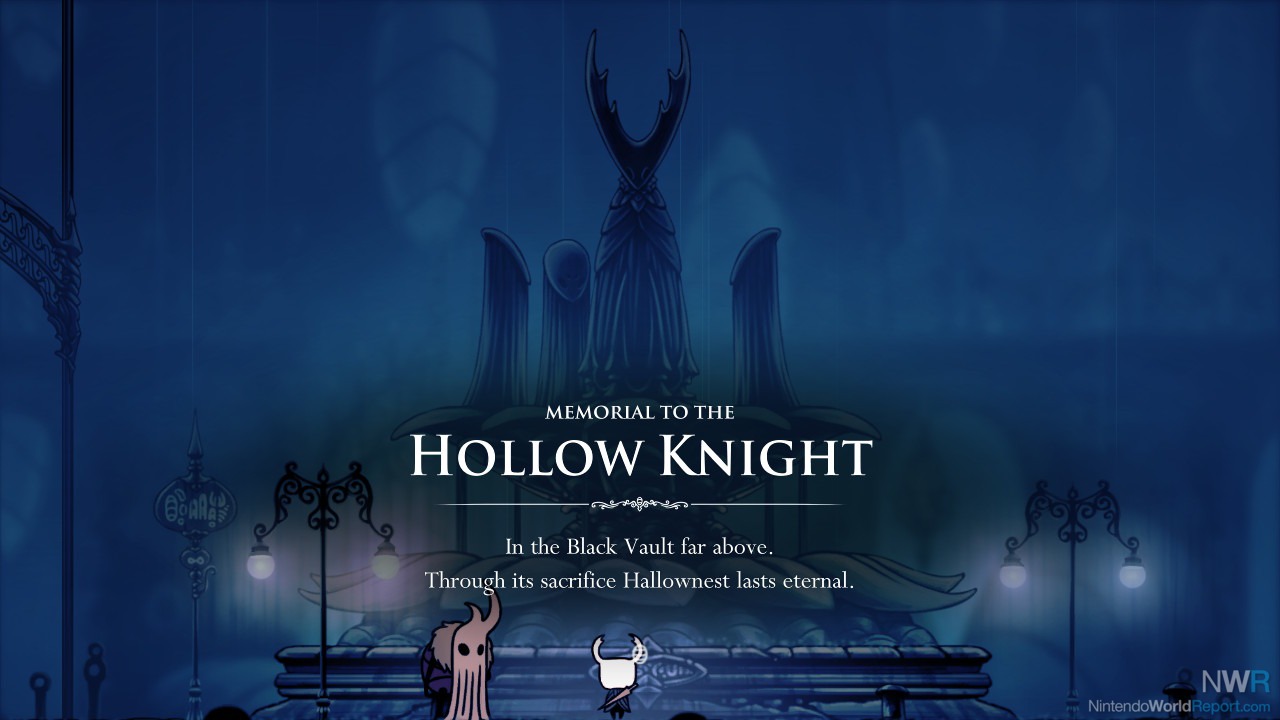
Some games announce themselves with spectacle. Others arrive quietly and stay with you for years. Hollow Knight belongs to the second kind. It is a game that does not rush to explain itself or flatter the player with easy victories. Instead, it invites you into a ruined world and asks you to listen, to observe, and to learn through experience. What unfolds is a journey shaped by curiosity, patience, and the steady confidence that comes from mastering something difficult but fair.
At first glance, the game seems simple. A small, silent knight explores underground caverns, fights strange creatures, and gathers fragments of an ancient story. Yet beneath this calm surface lies a rich web of design choices that reward attention. Every corridor, every enemy pattern, and every fragment of lore has been placed with intention. The result is a world that feels alive even in decay, a space that invites players to project their own emotions onto its quiet ruins.
The magic of Hollow Knight does not come from loud storytelling or cinematic set pieces. It grows in the spaces between words, in the moments where you pause at a cliff edge or listen to the soft hum of distant life. This is a game that trusts the player to feel their way forward.
Exploring the World of Hollow Knight
The underground kingdom of Hallownest is not presented as a checklist of levels. It unfolds like a place with its own forgotten history. You begin in a lonely town, then descend into twisting tunnels and echoing chambers. Over time, the map expands in unexpected directions. Areas loop back on themselves, shortcuts reveal hidden connections, and what once felt overwhelming becomes familiar through repeated exploration.
Movement is central to how the world opens up. Early on, you are limited in how far you can jump or dash. Each new ability reshapes your understanding of earlier areas. Places that once seemed unreachable become paths forward. This gradual unlocking of mobility gives the world a sense of depth and memory. You are not just progressing forward. You are learning how to read the terrain.
There is also a subtle rhythm to exploration. Moments of tension are balanced by pockets of safety. Benches offer rest and reflection. Small settlements provide glimpses of characters who have adapted, in their own ways, to a broken world. These pauses prevent the journey from feeling relentless. They give weight to the danger that lies beyond the next doorway.
A Living Map
The map system is deliberately imperfect. You do not begin with full knowledge of each area. You must find a cartographer and then fill in the details through exploration. This design choice does more than slow you down. It encourages awareness. You pay closer attention to landmarks, to the shape of rooms, to the sound of distant hazards. Getting lost becomes part of the experience rather than a failure of direction.
As your map fills in, the world gains coherence. You start to see patterns in how areas connect. You notice how environmental themes shift from damp caves to crystalline depths. The map becomes a personal record of where you have been and how far you have come.
Sound as a Guide
Sound design plays a quiet but powerful role in shaping the world. The distant chirping of creatures, the echo of your footsteps, and the soft music that drifts in and out all create an emotional texture. Certain areas feel mournful, others tense, others strangely peaceful. These moods guide your expectations. You can sense when danger is near, even before you see it.
Combat That Rewards Patience
Combat in Hollow Knight is precise and demanding without being punishing for its own sake. Enemies follow clear patterns. Bosses telegraph their attacks in readable ways. Success comes not from frantic button pressing, but from observation and timing. You learn when to strike, when to retreat, and when to stand your ground.
The simplicity of the basic moveset is deceptive. A single attack button, a jump, and a dash form the foundation of the system. Over time, new abilities add layers of possibility. Spells introduce ranged options. Charms modify your strengths and weaknesses. These additions do not replace the core mechanics. They deepen them.
The Language of Boss Fights
Boss encounters are among the most memorable moments in the game. Each one feels like a conversation conducted through movement. You test each other. You fail. You learn. The rhythm of a boss fight becomes familiar through repetition. When victory finally comes, it feels earned, not given.
What makes these battles special is their emotional framing. Bosses are not just obstacles. They are often remnants of the world’s past, guardians of forgotten places, or beings shaped by tragedy. Their designs tell stories without words. Defeating them carries a sense of melancholy alongside triumph.
Customization Through Charms
The charm system allows players to shape their approach to combat and exploration. Some charms increase damage. Others improve survivability or mobility. Choosing which ones to equip becomes a personal strategy. There is no single correct build. The system respects different play styles.
This flexibility adds depth without overwhelming complexity. You can adjust your setup before challenging a difficult area or boss. Small changes can have a noticeable impact on how encounters feel. This encourages experimentation and reflection rather than rigid optimization.
Storytelling in Silence
The narrative of Hollow Knight is fragmented and indirect. There are no lengthy cutscenes explaining the history of the kingdom. Instead, the story is scattered across environmental details, brief lines of dialogue, and cryptic inscriptions. Players piece together the past by paying attention.
This method of storytelling invites interpretation. You may come away with a slightly different understanding of events than another player. The game leaves space for personal meaning. It does not insist on a single emotional response. This openness gives the world a sense of mystery that persists even after the credits roll.
Characters in the Ruins
The characters you meet are small windows into the broader story. Each one carries a fragment of the world’s history. Some are weary travelers. Others are scholars obsessed with understanding what has been lost. Their conversations are brief, but their presence adds warmth to an otherwise lonely world.
These encounters often happen at moments of rest. You stumble upon a familiar face in a dangerous place and feel a subtle sense of relief. The world feels less empty because of these shared moments, however fleeting.
Themes of Decay and Persistence
At its heart, the story is about a civilization that tried to control forces beyond its understanding. The ruins you explore are the aftermath of those choices. Yet the world is not entirely dead. Life continues in strange forms. New communities emerge in the shadows of old mistakes.
This tension between decay and persistence gives the game its emotional weight. The world is broken, but not without beauty. The act of exploring it becomes an act of witness. You see what remains, and in doing so, you keep the memory of what was alive.
Art Direction That Speaks Softly
The visual style of Hollow Knight is instantly recognizable. Hand-drawn characters and environments create a storybook quality that contrasts with the darkness of the setting. The color palette shifts from muted blues and greys to sudden bursts of brightness in unexpected places. These visual changes mark emotional transitions as much as geographical ones.
Animation is fluid and expressive. Enemies move with distinct personalities. The knight’s movements are crisp and responsive. Small details, like drifting particles in the air or the way light falls across a corridor, add depth to the scenes. The world feels crafted rather than generated.
A Cohesive Aesthetic
What stands out is how unified the art direction feels. Each area has its own visual identity, yet everything belongs to the same world. There is a sense of consistency in how shapes, colors, and designs are used. This cohesion makes the world feel believable even in its fantasy.
The aesthetic choices also support gameplay. Hazards are readable. Platforms stand out from the background. Enemies are visually distinct, allowing you to react quickly in combat. Beauty and clarity work together rather than competing for attention.
The Role of Music
The music complements the visual style with restraint. Themes are melodic but understated. They rise and fall with the pace of exploration and combat. Certain melodies become associated with specific areas, anchoring memories to sound. Long after leaving a place, its theme may linger in your mind.
The Player’s Journey
What makes Hollow Knight resonate with so many players is the personal nature of its challenge. The game does not adjust itself to your comfort level. You must adapt to it. This creates a sense of growth that feels genuine. Early struggles give way to quiet confidence as your skills improve.
The journey is not just about reaching the end. It is about learning how to move through an unfamiliar world, how to recover from failure, and how to persist when progress feels slow. These experiences mirror real moments of learning and self-doubt. The game becomes a space where effort is visibly rewarded.
Failure as a Teacher
Death is not framed as a harsh punishment. It is a moment of reset. You lose some resources, but you gain knowledge. Each failure teaches you something about enemy patterns, environmental hazards, or your own habits. Over time, these lessons accumulate into mastery.
This approach encourages resilience. You are not shamed for mistakes. You are invited to try again with greater understanding. The emotional tone remains supportive even when the difficulty rises.
Discovery as Motivation
The desire to see what lies beyond the next barrier is a powerful motivator. New areas promise new visuals, new music, and new fragments of story. The world feels rich enough to justify the effort of reaching those places. Curiosity becomes the driving force behind progress.
Why Hollow Knight Endures
Years after its release, Hollow Knight continues to be discussed, replayed, and cherished. Its endurance comes from the way its systems support each other. Exploration, combat, art, and narrative all point toward the same goal. They create a world that feels coherent and emotionally grounded.
The game respects the player’s intelligence. It does not overexplain. It does not simplify its challenges. Instead, it offers a space to grow, to reflect, and to find meaning in small victories. This respect fosters a deep connection between player and world.
A Lasting Echo
The final moments of the journey carry a quiet gravity. By the time you reach the end, you are no longer the hesitant explorer you once were. You move with intention. You understand the rhythms of the world. The ruins of Hallownest feel familiar, almost like a memory you carry with you.
That is the lasting power of Hollow Knight. It does not simply entertain. It leaves an imprint. Long after the screen fades to black, the world continues to exist in your thoughts. The silent corridors, the gentle music, and the steady resolve of the knight remain as echoes of a journey that felt personal, hard-earned, and quietly profound.