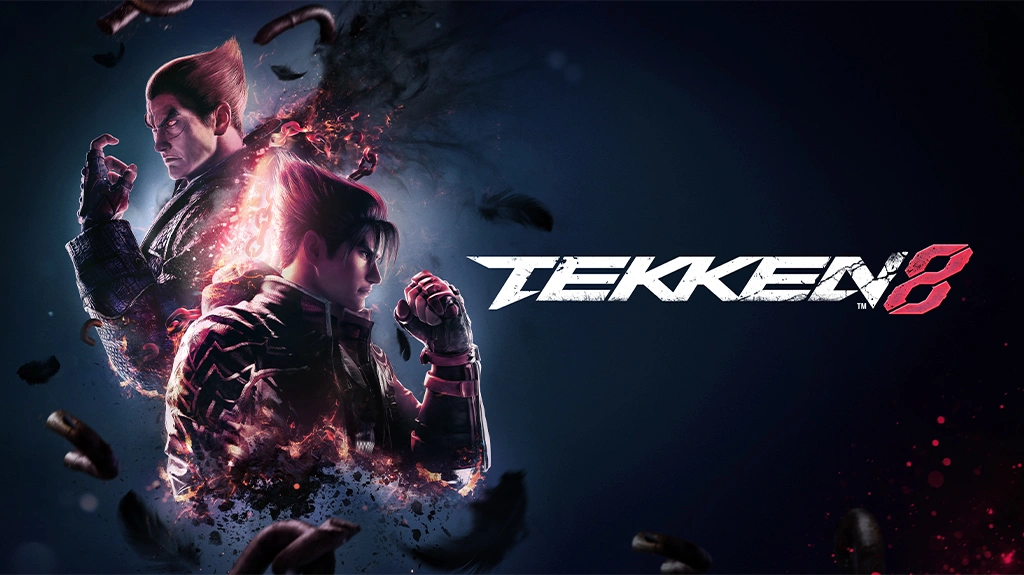
For decades, the Tekken series has stood as a pillar of the fighting game genre, shaping competitive play and casual enjoyment alike. With each new entry, expectations rise, driven by nostalgia, innovation, and the desire for deeper mastery. Tekken 8 arrives at a moment when fighting games are redefining accessibility without sacrificing depth, and it steps into that space with confidence, intensity, and ambition.
Built on years of mechanical refinement and narrative expansion, this installment does not attempt to reinvent its identity. Instead, it sharpens what already worked, polishes long-standing systems, and adds new layers that challenge both veterans and newcomers. The result is a game that feels familiar yet undeniably modern.
Tekken 8 as a New Chapter in Competitive Fighting
The heart of this release lies in its understanding of momentum. Matches feel faster, more aggressive, and emotionally charged, reflecting a design philosophy centered on constant engagement. Defensive play still matters, but hesitation is punished more clearly than before.
The developers focused on making every round feel decisive. Players are encouraged to stay active, read their opponents, and commit to choices. This shift creates a rhythm that is thrilling to watch and demanding to play, especially at higher levels of competition.
A Refined Combat Philosophy
At its core, the fighting system remains rooted in precise inputs and deep move lists. What has changed is how pressure is applied. Offensive tools are more clearly defined, and players are rewarded for initiative.
This philosophy makes each encounter feel like a conversation rather than a standoff. The back-and-forth flow is smoother, and the outcome often hinges on adaptability rather than memorization alone.
Visual Power and Technical Ambition
One of the most immediately striking elements is the visual presentation. Character models are more expressive, environments are richly detailed, and animations carry weight and realism. Each strike feels impactful, not only because of sound design, but because of how characters react to contact.
Stages are no longer static backdrops. Environmental interactions and dynamic transitions enhance immersion without overwhelming gameplay. These visual flourishes serve the action rather than distract from it.
Characters Brought to Life
Facial expressions, posture, and subtle movement all contribute to stronger characterization. Fighters communicate emotion even outside of cinematic moments, reinforcing rivalries and personal stakes.
This attention to detail helps bridge gameplay and storytelling, making each match feel connected to a larger narrative context.
Storytelling Through Conflict
The Tekken series has always blended melodrama with martial arts spectacle, and this entry continues that tradition. The central conflict explores legacy, power, and the consequences of long-standing hatred.
Rather than treating story as a secondary mode, the narrative feels integrated with the overall experience. Battles carry emotional weight, especially when familiar characters confront unresolved pasts.
Legacy and Identity
Themes of inheritance and self-definition run throughout the story. Characters wrestle not only with opponents, but with expectations placed upon them by family and history.
These themes resonate beyond the screen, adding depth that elevates the experience for players invested in the series lore.
Roster Depth and Playstyle Diversity
A strong fighting game thrives on variety, and this installment delivers a roster designed to support multiple approaches. Each character feels distinct, with strengths and weaknesses that encourage experimentation.
Whether a player prefers aggressive rushdown, patient counterplay, or technical precision, there is a fighter that supports that identity. Balance remains an ongoing conversation, but the foundation encourages fairness and expression.
Learning and Mastery
New players benefit from clearer tutorials and practice tools that explain mechanics without oversimplifying them. Veterans, meanwhile, will find layers of optimization that reward dedication.
This dual focus ensures longevity. The game welcomes beginners while still offering depth that sustains competitive communities.
Competitive Scene and Community Impact
The release has energized tournaments and online play. Spectatorship is enhanced by clearer visual cues and explosive moments that are easy to follow, even for those less familiar with high-level play.
Online infrastructure emphasizes stability and responsiveness, essential for maintaining a healthy competitive environment. Matches feel consistent, allowing skill to shine rather than being overshadowed by technical issues.
A Game Built to Be Watched
The aggressive pacing and cinematic presentation make matches exciting to observe. Comebacks feel dramatic, and decisive rounds generate memorable moments.
This watchability strengthens the game’s presence in esports spaces and streaming platforms, helping it reach audiences beyond active players.
Innovation Without Alienation
Perhaps the most impressive achievement is how innovation is handled. Changes are meaningful but respectful of the series identity. Mechanics are expanded, not replaced, ensuring long-time fans still recognize the soul of the game.
This balance reflects a deep understanding of the franchise’s history. Growth is framed as evolution, not disruption.
Respecting the Past
Classic mechanics remain intact, honoring the muscle memory and knowledge built over years. New systems layer on top, offering fresh strategies without invalidating existing skills.
This approach fosters trust between developers and players, a crucial factor in sustaining long-term engagement.
Sound Design and Atmosphere
Music and sound effects play a crucial role in amplifying tension. Each hit lands with satisfying impact, and stage themes adapt to the pace of battle.
Audio cues provide clarity, helping players react while also heightening emotional stakes. The result is an atmosphere that feels intense without becoming overwhelming.
Accessibility and Modern Expectations
Modern fighting games must balance complexity with inclusivity. This release addresses that challenge by offering assist options and clear feedback systems while preserving competitive integrity.
Players can ease into mechanics at their own pace, reducing frustration and encouraging continued play.
Bridging Skill Gaps
By lowering entry barriers without flattening depth, the game creates space for diverse skill levels to coexist. Casual matches and ranked play both feel meaningful, catering to different motivations.
Lasting Significance
As part of the broader fighting game landscape, Tekken 8 represents confidence in tradition paired with thoughtful progress. It understands what makes the series beloved and refines those elements for a new generation.
Through strong visuals, refined mechanics, and emotionally driven storytelling, it reinforces why Tekken remains relevant decades after its debut. The experience feels complete, polished, and forward-looking.
In the end, Tekken 8 is more than a sequel. It is a statement about the enduring power of well-crafted competition, where skill, emotion, and legacy collide. For players willing to invest time and passion, it offers a journey that is as rewarding as it is challenging, ensuring its place in the ongoing story of fighting games.