Some characters become memorable because of their stories. Others become unforgettable because of the emotions they create.
Electric Man belongs to the second category.
Before modern gaming was dominated by massive open worlds, realistic graphics, and billion-dollar franchises, the internet had a different kind of creativity. Small independent games, Flash animations, and browser experiments allowed creators to build experiences that reached millions of people without huge budgets.
Among those digital creations, Electric Man became one of the most recognizable figures of early online gaming.
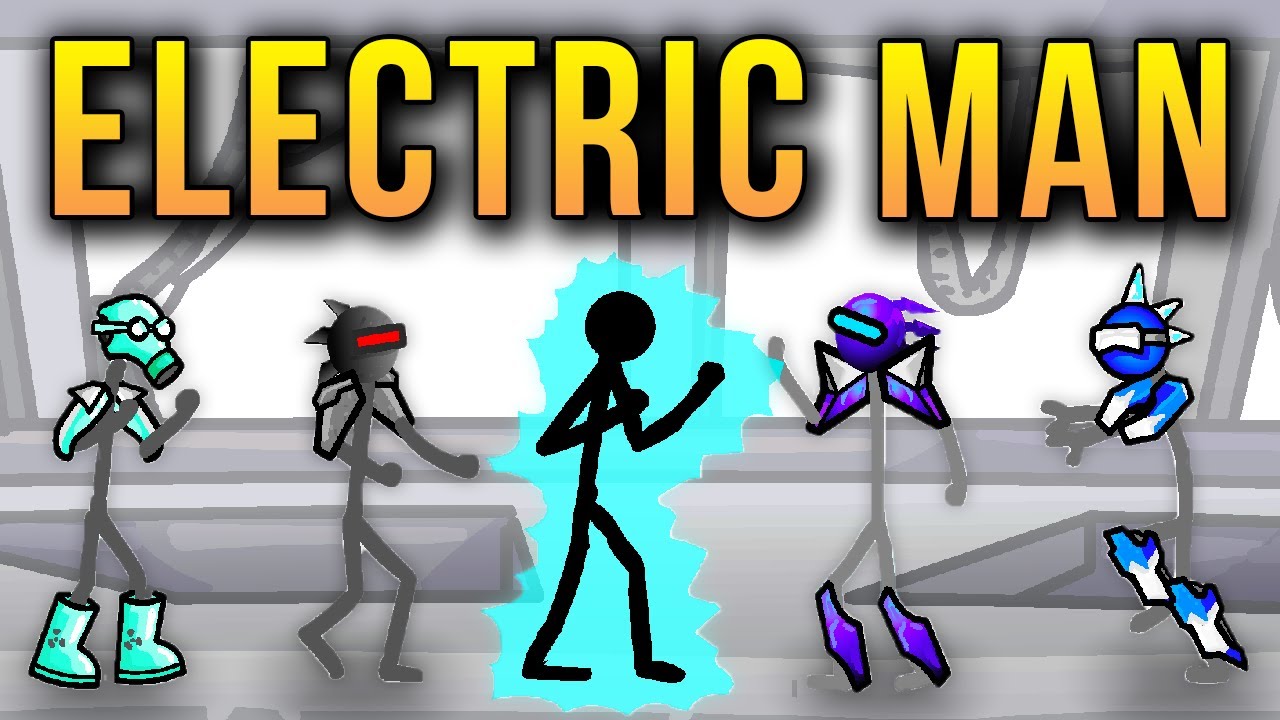
At first glance, he appears simple: a stick figure surrounded by flashes of energy, fighting opponents through fast and powerful movements. But behind that simplicity was something surprisingly effective. His design focused on what mattered most—speed, impact, rhythm, and player control.
This article explores the origins of Electric Man, why the character became a symbol of early internet culture, how the gameplay influenced online animation, and why this minimalist fighter continues to attract attention years later.
The Origin of Electric Man: A Product of the Flash Gaming Era
To understand why Electric Man became important, it helps to look back at the early 2000s.
This was the golden period of browser-based entertainment. Websites filled with Flash games and animations became gathering places for millions of internet users.
Unlike today’s gaming industry, where large studios often control production, early web gaming allowed individual creators to experiment freely.
Electric Man emerged from this environment.
The character did not rely on:
- A complex fictional universe
- A detailed character biography
- Expensive visual production
- Famous voice actors
Instead, he was built around one powerful idea:
What if a simple fighter could feel incredibly energetic and satisfying to control?
The answer was a character defined by movement.
His black silhouette, glowing attacks, and fast combat style created an identity that players could immediately understand.
No explanation was required.
A single movement showed exactly what Electric Man represented.
Why Electric Man Became an Internet Icon
Many browser games from the same era disappeared completely. Electric Man remained memorable because several elements worked together perfectly.
Minimal Design With Maximum Impact
One of the biggest strengths of Electric Man was simplicity.
The character design removed unnecessary details:
- No complicated costume
- No realistic facial features
- No long introduction sequence
This allowed players to focus entirely on action.
The stick-figure style was not a limitation. It became the character’s greatest advantage.
Because the design was simple, anyone could imagine themselves inside the experience.
The character became less like a traditional hero and more like a symbol of energy and movement.
Combat That Felt Like a Performance
Many fighting games focus only on defeating opponents.
Electric Man focused on how players defeated them.
The gameplay encouraged:
- Timing attacks
- Combining moves
- Creating powerful sequences
- Experimenting with different fighting styles
Winning was satisfying, but performing a smooth combination of attacks was even more rewarding.
This created a feeling closer to choreography than ordinary combat.
The player was not simply controlling a fighter.
The player was creating a performance.
Electric Man as a Symbol of Digital Creativity
Characters often become memorable because they represent something larger than themselves.
Electric Man represents several ideas that defined early internet culture.
Creativity Without Large Budgets
The character proved that a small project could still create a strong emotional connection.
At a time when many people believed successful games required major studios, browser games showed another possibility:
A creative idea could travel anywhere.
A Universal Hero Without a Traditional Identity
Electric Man has almost no personal details.
Players do not know:
- Where he came from
- What his mission is
- What his personality sounds like
Surprisingly, this helped rather than hurt the character.
The lack of information allowed players to create their own interpretation.
He became a universal digital fighter.
The Gameplay Legacy of Electric Man
The importance of Electric Man is not only about nostalgia. The gameplay itself introduced ideas that influenced many online action experiences.
The Importance of Flow
The game’s greatest strength was movement.
Attacks connected smoothly, and actions felt connected rather than random.
This sense of flow encouraged players to improve.
Instead of simply asking:
“Can I win?”
Players started asking:
“Can I perform better?”
Replay Value Through Skill
Electric Man did not depend on complicated progression systems.
Its replay value came from mastery.
Players returned because they wanted to:
- Improve timing
- Discover better combinations
- Defeat enemies more efficiently
- Experience the satisfying combat again
This is a lesson many modern games still follow.
Good mechanics can create long-term engagement.
Electric Man and the Nostalgia of Early Internet Gaming
For many players, Electric Man represents more than a game.
It represents a specific moment in internet history.
The Discovery Era of the Web
The early internet encouraged exploration.
People discovered games through:
- Friends sharing links
- School computer rooms
- Gaming websites
- Online communities
Finding a new browser game felt like discovering something hidden.
Shared Digital Memories
One reason Electric Man remains discussed today is because many people experienced it at similar points in their lives.
A game played by millions becomes part of collective memory.
Even players from different countries could share the same experience despite never meeting.
How Electric Man Influenced Online Animation
Stick-figure animation existed before Electric Man, but the character helped popularize a style focused on speed and impact.
Action Through Movement
Electric Man demonstrated that simple visuals could still create exciting action.
Important elements included:
- Fast motion
- Clear attack effects
- Strong timing
- Visual energy
These ideas appeared later in many online animations and independent projects.
The Relationship Between Music and Action
The game’s energetic style matched a broader trend in online animation where movement, sound, and rhythm worked together.
Combat became almost musical.
Every action had timing.
Every impact had personality.
The Meaning Behind Electric Power
Electricity is a powerful storytelling symbol.
Across movies, games, and comics, electricity often represents:
- Speed
- Transformation
- Innovation
- Danger
- Energy
Electric Man uses this symbolism effectively.
His power does not exist only as decoration.
It explains his identity.
He is not a warrior who uses electricity.
He feels like electricity transformed into a warrior.
Why Electric Man Still Matters Today
Modern games have reached incredible levels of realism.
Players now experience:
- Detailed environments
- Complex stories
- Realistic characters
Yet Electric Man remains interesting because he represents something different.
He represents pure gameplay.
No unnecessary complexity.
No long explanations.
Just movement, challenge, and satisfaction.
That simplicity feels refreshing.
Lessons Modern Game Developers Can Learn From Electric Man
Although the character came from a different era, several design lessons remain relevant.
1. Strong Ideas Matter More Than Visual Complexity
A memorable concept can outperform expensive production.
2. Player Control Creates Connection
The more involved players feel, the stronger their attachment becomes.
3. Simple Mechanics Can Create Depth
Easy-to-understand systems can still offer years of enjoyment.
FAQ
What is Electric Man?
Electric Man is a stick-figure fighting game character known for fast combat, energy-based attacks, and memorable browser gameplay from the Flash gaming era.
Why is Electric Man still popular?
Electric Man remains popular because of its simple design, satisfying combat mechanics, and connection to early internet gaming nostalgia.
Was Electric Man created by a major gaming company?
No. Like many browser-era games, Electric Man came from the independent online gaming scene rather than a large traditional game studio.
What made Electric Man’s gameplay special?
The game focused on smooth movement, timing, and combinations, making fights feel more like a performance than simple button pressing.
Is Electric Man still relevant today?
Yes. While the gaming industry has changed, Electric Man continues to represent creativity, simplicity, and the lasting impact of early online games.
Conclusion
Electric Man proves that unforgettable characters do not always need complicated stories, realistic graphics, or massive development teams.
Sometimes, a simple idea executed well can create a lasting connection.
With nothing more than a stick figure, energy effects, and satisfying combat, Electric Man captured the imagination of millions of players. He became a symbol of early browser gaming and a reminder of a time when creativity on the internet felt unlimited.
Years later, his legacy continues because the qualities behind him remain timeless:
- Fun gameplay
- Creative design
- Player freedom
- The excitement of discovery
Electric Man was never just a stick figure.
He was a spark from an era when the internet became a place where anyone could create something unforgettable.