In the early days of online flash games, there were titles that didn’t just entertain—they created entire worlds of imagination within a browser window. Among them stood a quirky, brilliant gem known as interactive buddy.
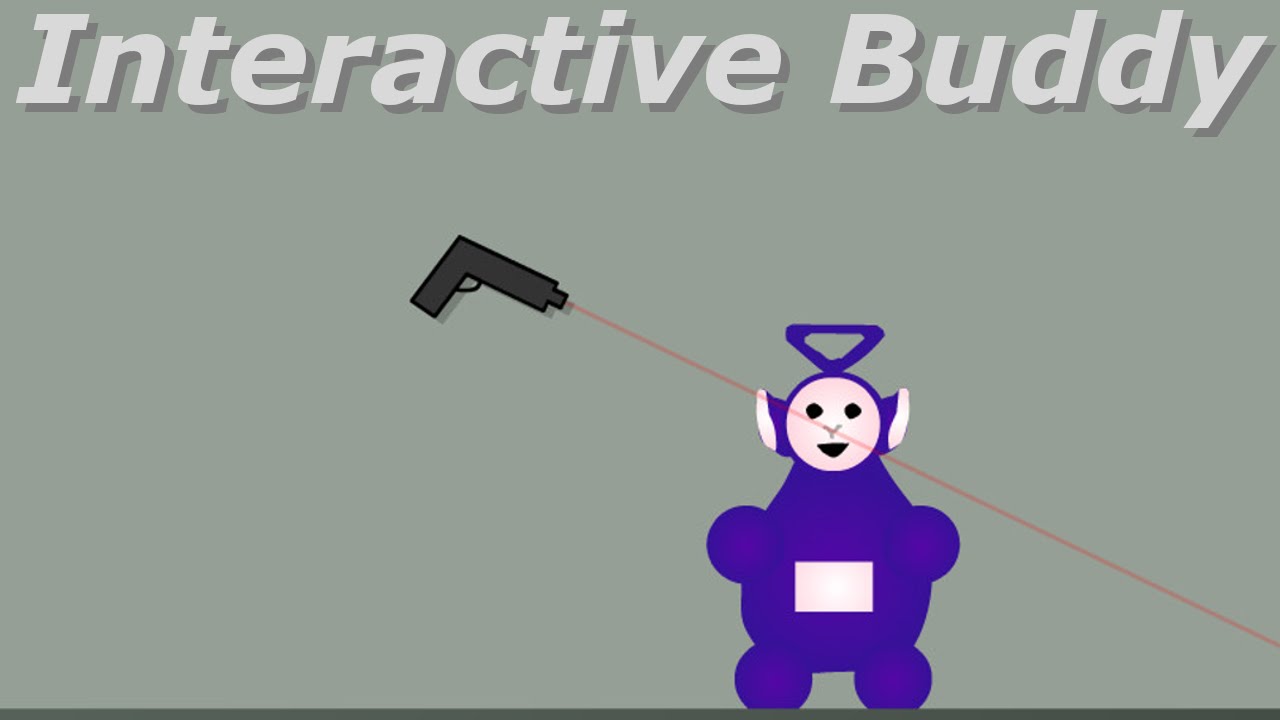
At first glance, it looked simple: a small, gray humanoid figure made of bouncing balls, standing alone in a box. Yet behind this minimalist setup was an entire sandbox of physics, experimentation, and chaos. Players could poke, throw, tickle, or blow up their “buddy,” earning money to buy new weapons, gadgets, and tools—all to see how this friendly ragdoll reacted.
Interactive Buddy wasn’t about high scores or levels. It was about creativity. It gave players a playground of cause and effect, where imagination ruled and every action had a reaction. Whether you were a bored student during a computer lab session or a casual gamer looking for something lighthearted, this game provided endless ways to explore.
The Origin Story of Interactive Buddy
The game was created by programmer Shock Value and released in the mid-2000s, during the golden era of Flash gaming. It quickly became a hit across websites that hosted simple, free browser games.
Part of its success came from its accessibility. You didn’t need a console or a powerful PC. All you needed was an internet connection and curiosity. From the first click, it was clear this wasn’t your typical game—it didn’t tell you what to do. There were no objectives, no timers, no “game over” screens. Instead, it handed you a digital sandbox and said, “Go ahead, play.”
That freedom defined interactive buddy. It wasn’t about rules—it was about reactions. And every player created their own story.
The Gameplay: Simple Mechanics, Endless Possibilities
A Sandbox of Curiosity
The premise was as straightforward as it gets: you interact with your “buddy” using tools, weapons, and objects. Every time you did something, the buddy reacted with surprising realism. It flinched when poked, bounced when hit, smiled when tickled, and screamed when attacked.
The buddy wasn’t just a prop—it was a character, a digital personality that felt strangely alive. Its physics-based design made it respond naturally to gravity, explosions, and even affection. You could throw a tennis ball or detonate a bomb; either way, it would react in a way that made sense.
Earning Money and Unlocking Tools
Every interaction earned you in-game money. The more creative your actions, the more you earned. You could then spend that money on new weapons, tools, and environments.
Players started small—with their bare hands or simple gadgets like baseballs—but quickly unlocked rockets, flamethrowers, and gravity guns. These upgrades didn’t just add variety; they added depth. The more tools you acquired, the more elaborate your experiments became.
An Open Playground
One of the greatest strengths of Interactive Buddy was its openness. There were no wrong answers. Some players used it to test physics, watching how explosions affected movement or how objects bounced. Others treated it as stress relief, using silly weapons to release frustration.
And then there were those who treated the buddy kindly—petting it, throwing soft toys, or showering it with money just to see its happy reactions. The beauty of the game lay in that freedom: destruction and compassion coexisted. You decided the story.
Why Interactive Buddy Was So Addictive
Freedom Without Judgment
In an age before social media algorithms and endless tutorials, interactive buddy offered pure creative freedom. There was no score to chase or leaderboard to climb. You played at your own pace, guided only by curiosity.
It was also one of the first games to simulate realistic responses in a humorous, physics-driven way. That combination of control and unpredictability made it endlessly replayable. You could spend minutes or hours experimenting with new interactions, and no two sessions ever felt the same.
A Sandbox for the Imagination
Interactive Buddy gave players permission to experiment. It wasn’t about winning—it was about discovery. The more you played, the more you learned about how different tools interacted with each other and the environment.
It became an early lesson in cause and effect, wrapped in comedy and chaos. It didn’t tell you what to do; it simply gave you a world to explore. And that was more liberating than most complex games could ever be.
A Stress Reliever Disguised as a Game
Part of the appeal was emotional. The game was strangely therapeutic. Whether you were gently bouncing the buddy around or unleashing a tornado of chaos, it offered a release. It was the digital equivalent of a stress ball—simple, responsive, and endlessly entertaining.
Cultural Impact: How a Simple Flash Game Became a Phenomenon
When Interactive Buddy first appeared online, it spread like wildfire through classrooms, internet cafés, and offices. It became one of those games that everyone seemed to know, even if they didn’t remember its name.
The Era of Flash Games
The 2000s were dominated by Flash—a time when creativity thrived because anyone with an idea could make a game. Interactive Buddy was a perfect example of that spirit: it was small, clever, and free.
It joined the ranks of other cult classics like “Stick RPG,” “Line Rider,” and “The Impossible Quiz,” becoming a staple of early internet gaming culture. What set it apart, though, was its interactivity. Most games had a clear goal. Interactive Buddy let players make their own.
A Viral Success Without Social Media
What’s remarkable is how it became popular before the rise of platforms like YouTube or TikTok. It spread through word of mouth, shared via school computers and early forums. Its charm was contagious—once you saw someone playing it, you couldn’t help but try it yourself.
People bonded over it, swapping tips and sharing their favorite “experiments.” In a way, it became one of the first viral sandbox experiences.
Lessons Hidden in Interactive Buddy
Though it looked simple, Interactive Buddy carried deeper meaning. Beneath its humor and explosions, it taught valuable lessons—about systems, empathy, and the human fascination with control.
1. Actions Have Consequences
Every click mattered. Every weapon or item had a reaction. This made players think, experiment, and learn through observation. It was playful, but it also mirrored real-life systems: choices lead to outcomes, often unexpected.
2. Curiosity Drives Learning
Interactive Buddy didn’t need tutorials because curiosity was its teacher. Players learned by experimenting. It rewarded exploration rather than instruction, showing that curiosity can be the best motivator.
3. Empathy in the Digital Space
Interestingly, many players felt a bond with their “buddy.” Though it was just a collection of pixels, its reactions felt so lifelike that people developed affection—or guilt—when they hurt it. It blurred the line between game mechanics and emotional response, making players reflect on how they treat virtual beings.
4. The Joy of Simplicity
Perhaps its most profound message was that fun doesn’t have to be complicated. In an era where games now boast cinematic graphics and massive worlds, Interactive Buddy stands as a reminder that creativity and interactivity matter far more than visuals.
The Evolution of Interactive Experiences
Though Flash eventually faded, the legacy of games like Interactive Buddy lives on. It paved the way for physics-based sandbox games such as “Happy Wheels,” “The Sandbox,” and even “Totally Accurate Battle Simulator.” These titles owe much of their DNA to the experimentation and humor first popularized by simple flash creations.
Modern indie developers have also embraced the same philosophy: give players freedom, and they’ll make their own fun. Whether it’s building in “Minecraft” or creating chaos in “Goat Simulator,” the essence of Interactive Buddy’s open-ended design remains alive and well.
Nostalgia and Modern Relevance
For those who played it during its peak, Interactive Buddy holds a nostalgic charm. It recalls a simpler time—when games were creative experiments rather than commercial products. But even for new players discovering it through remakes or tributes, the magic still works.
It’s proof that good design doesn’t age. The physics are still satisfying, the reactions still funny, and the sense of freedom still addictive.
In fact, in an era filled with structured achievements and microtransactions, Interactive Buddy feels refreshingly pure. There’s no need to buy upgrades or log in daily. You simply play, experiment, and enjoy the chaos.
Why Interactive Buddy Still Matters
Interactive Buddy may have started as a small Flash project, but it left a lasting impression. It demonstrated how interactivity, physics, and humor could come together to create something timeless.
It wasn’t flashy or competitive—it was personal. You built your own stories, created your own experiments, and formed your own bond with a character that existed only to respond.
And in doing so, the game reminded players of something powerful: that play itself—the act of exploring, creating, and laughing—is the most human experience of all.
Conclusion
At its core, interactive buddy wasn’t just a game; it was a mirror of creativity and curiosity. It invited players into a small world and gave them infinite ways to engage. It made us laugh, think, and even reflect on our own nature.
It proved that the simplest ideas often leave the deepest impact. With nothing more than physics, sound effects, and a single animated character, it captured millions of imaginations.
Today, as technology advances and games grow more complex, Interactive Buddy remains a symbol of what gaming should always be about—freedom, experimentation, and joy.
Because in the end, it wasn’t the explosions, money, or gadgets that made it unforgettable. It was the moment you realized that in this tiny sandbox, you were the creator—and your buddy was just along for the ride.